



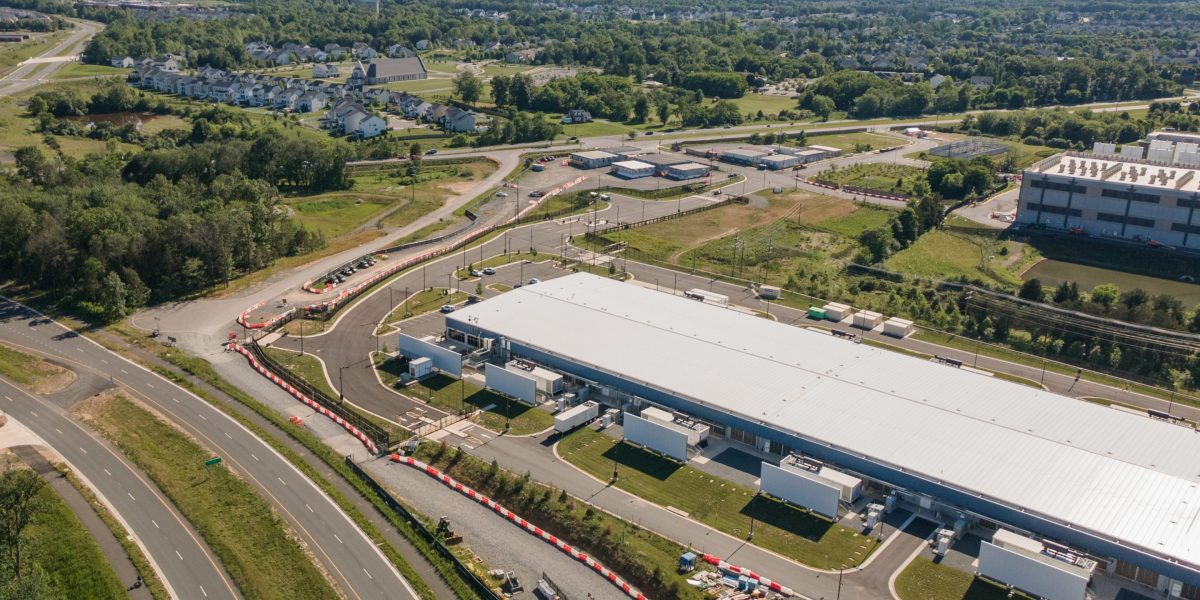
Microsoft Corp. said its carbon emissions climbed 25% in 2025, making it the latest technology company to report a setback in its efforts to erase emissions amid heavy spending on artificial intelligence data centers.
The company emitted 20 million metric tons of carbon dioxide equivalent in 2025, up from 16 million metric tons the prior year, Microsoft said Thursday in its annual sustainability report. The increase was driven by new construction of data centers and a previously announced pause in the purchase of some renewable energy credits, Microsoft said.
“While AI infrastructure is driving demand for energy, water, land and materials, sustainability solutions are not scaling fast enough to meet demand,” Microsoft President Brad Smith and Chief Sustainability Officer Melanie Nakagawa wrote in the report. “This tension is real, and it is also productive.”
The software company pledged six years ago to pull more carbon from the atmosphere than it was emitting by 2030, a goal made feasible thanks to increasingly efficient data centers and surging investment in renewable power and technologies designed to sequester carbon.
But the company’s green ambitions ran headlong into its commercial aims. Determined to become a major player in the artificial intelligence age, Microsoft helped spark a frenzy to build a new class of power-hungry data centers to back AI models, straining electrical grids and pushing utilities to build new fossil-fueled power generation.
In one example, the company in June signed a deal with Chevron Corp. to take power from an enormous natural-gas-fired power plant set to be built in West Texas, and use it to power a new data center complex.
Read More: Big Tech’s Carbon Emissions Spike With Runaway Growth of AI
At the same time, the company reassessed efforts to offset its emissions, telling sustainability partners that it would pull back from new carbon-banking deals. Executives also weighed shelving a target that would have had Microsoft match its hourly data center electricity use with renewables. Other businesses have retreated from their own pledges as the US federal government rolled back environmental standards and sought to curb sustainability initiatives.
Microsoft said its emissions would have been lower but for a decision last year to halt its purchase of a type of carbon credit that is controversial in environmental circles because it doesn’t directly incentivize new carbon-free energy.
Smith and Nakagawa said the company wants to be “more precise” about what sustainability requires and more willing to refine its strategies “as conditions change, data improves and trade-offs become clearer. It does not mean we are lowering our ambition.”