




Working from home seemed to be a thing of the past. All it took to revive it was a war in the Middle East and a worldwide energy crisis.
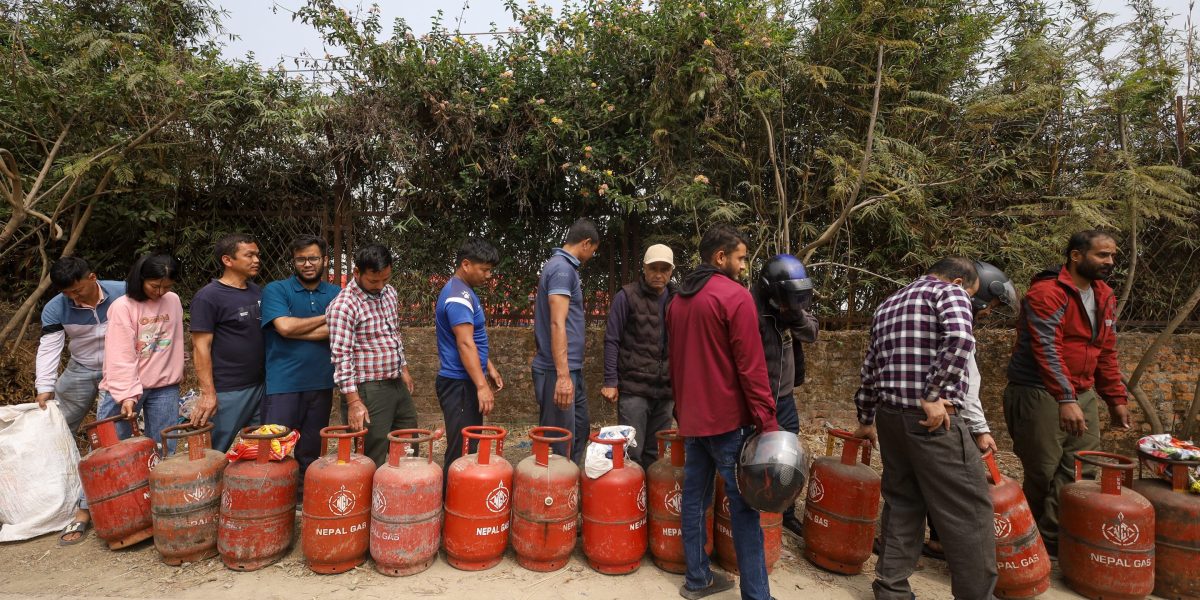
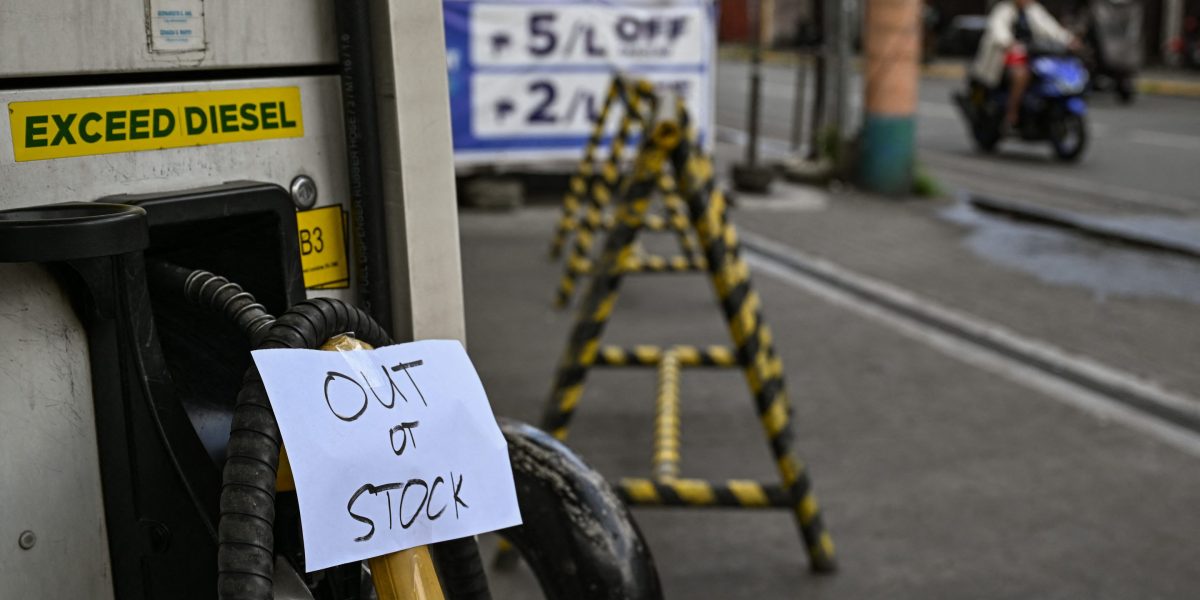
Nearly three weeks into the U.S. campaign in Iran, the war’s ripple effects are throttling global fuel markets. The conflict has essentially blocked off the Strait of Hormuz, the vital chokepoint that once carried 20% of the world’s traded oil and liquefied gas.
That hole in energy supply is straining fuel reserves around the world, especially for the biggest buyers of Middle Eastern oil and gas, as governments outside the U.S. are buckling down for a potentially protracted slowdown in the energy trade. Many are turning to a measure from 2022, the last time a major conflict broke out involving actors critical to global fuel supply: asking people to just stay home. In Asia, governments from Vietnam to the Philippines are reviving flexible work orders to curb fuel demand, and across Europe, ministers are urging residents to skip the commute to save gas.
Governments turn back to remote work to save fuel
In a statement Tuesday, Vietnam’s Ministry of Industry and Trade called on individuals and businesses to “work alongside the government to help ensure national energy security.”
“Joint efforts to save fuel are essential,” the ministry said. “Where possible, remote working arrangements may also help reduce travel and transport demand.”
Over the past week, authorities in Vietnam, Pakistan, Thailand and the Philippines issued a series of directives encouraging flexible work, including working from home, 4-day workweeks, and taking the stairs instead of an elevator. Officials in Europe have also urged people to stay home if they are able.
“If there is any energy consumption that you can do without, if it is not strictly necessary to drive the car, then don’t do it,” Lars Aagaard, Denmark’s energy and utilities minister, told a local broadcaster Wednesday.
It isn’t the first time a global fuel crunch has forced countries to push for flexible work. In 2022, following Russia’s invasion of Ukraine, Western nations placed a series of biting and progressively restrictive sanctions on Russian energy exports. The dramatic drop in fuel supply was especially relevant in Europe, which as a bloc, relied on Russia for 45% of its natural gas imports and 30% of its oil before the invasion.
The war and crackdown on the energy trade resulted in soaring fuel prices in Europe. As reserves dwindled, many governments resorted to demand-side action to keep costs under control, including recommending remote work where possible. In Germany, for example, a 2022 analysis by U.K. law firm Freshfields found that wider access to remote work could reduce national gas consumption by 5%.
“Every kilometre not driven is a contribution to making it easier to get away from Russian energy supplies,” Robert Habeck, Germany’s climate and economy minister at the time, said in 2022. “Wherever possible, one could work from home one or two days a week again.”
Non-European countries were forced into similar measures. In Sri Lanka, around one million public employees enjoyed three months of four-day workweeks in mid-2022, as the country sought to reduce fuel usage and stave off a looming shortage.
Running out of gas
Today’s energy crisis is particularly painful for East and South Asian countries, many of which are comparably as dependent on Middle Eastern fuel as Europe was on Russia in the early 2020s.
Asian countries purchase 60% of their oil from the Middle East, and before the war accounted for 82% of liquified national gas exports from Qatar, the largest Middle Eastern gas exporter. Not only have shipments from Qatar been paused, but the small country was forced to shut down its largest LNG production facility after it was hit by Iranian drone strikes last week.
Many of the Asian countries that have pushed for flexible work policies are also dealing with relatively small storage capacity. Thailand and the Philippines have around two months of petroleum storage as a buffer, according to the Asia Media Center, a New Zealand-based researcher. Pakistan has around one month in reserve, and Vietnam has fewer than 20 days.
Countries in Asia are scrambling to secure oil and gas supplies from elsewhere. Thailand is maximizing natural gas production in its own moderate reserves in the Gulf of Thailand, and others are looking to purchase more LNG stock on the spot market and from the U.S.
But if the energy crisis of 2022 is any indication, supply-side measures might not be enough if the Middle East’s energy exports remain constrained. For now, telling people to stay home may be the easiest way to stretch limited fuel supplies — and once again make remote work a global necessity.