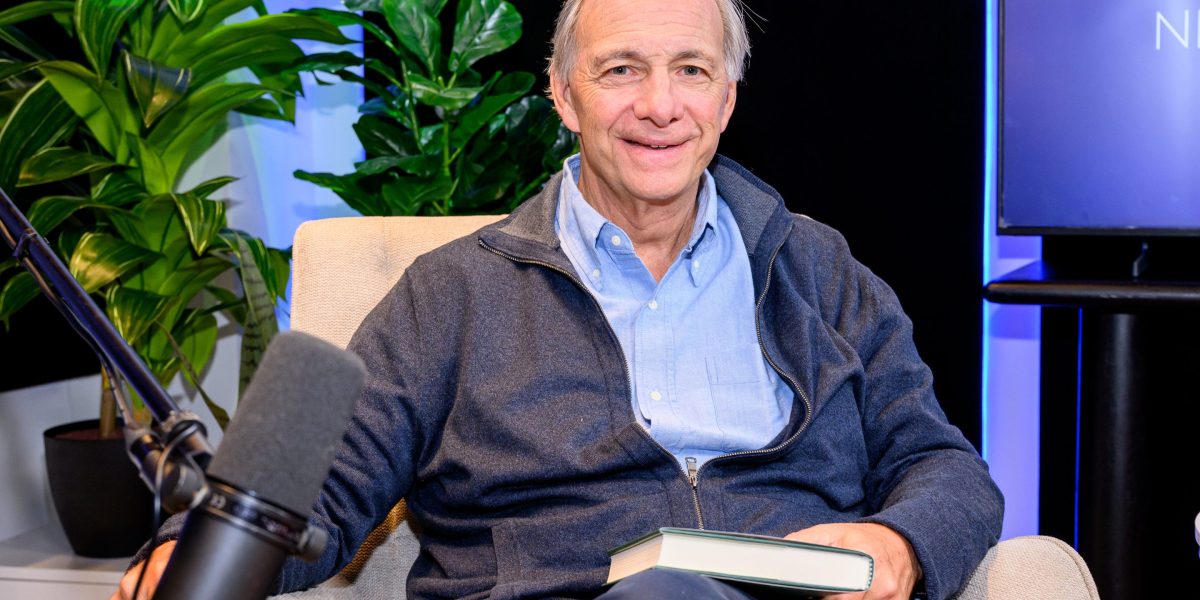





After an employee’s grandmother died, they texted their manager that they’d be taking bereavement leave for the funeral. The response became a case study in how not to manage grief.
The manager pushed back, questioning whether the grandmother counted as “immediate family” and calling the timing “terrible” with a big upcoming pitch meeting. The exchange reached millions when George Stern, a former McKinsey consultant, read the texts deadpan to camera, becoming one of his most viral Instagram and TikTok videos.
The outrage from his followers didn’t surprise Stern, who now runs a firm that grows and sells small businesses when he’s not creating content. But the volume of recognition did. Stern says he’s since received roughly 100 more bereavement stories from people who had been treated similarly at work.
“Corporations are losing trust, like every other institution in the country right now,” Stern said. “They’re out of touch with the experience of their employees on the ground.”
Stern has built an audience, he says, by putting that disconnect on display—and he thinks HR leaders should pay attention.
Stern didn’t set out to become the internet’s bad-boss archivist. He started posting management content on LinkedIn two years ago. When employees began sending him screenshots of their own manager horror stories, he switched to video, offering advice on navigating workplace conflict. He now gets up to 20 new submissions a day.
Typically, Stern’s advice is to take workplace issues to HR. But increasingly, followers respond with some version of: “HR is not your friend.” He doesn’t entirely agree, but he sees the skepticism as a sign that HR needs to be more transparent about how it handles workplace complaints. For instance, he’s seen employees lose trust in HR when they raise concerns but lack the documentation needed for HR to investigate. In such scenarios, HR leaders should make clear what employees need to document for a complaint to be properly investigated, says Stern.
He offers professionals the same advice, urging them to document workplace interactions in writing, record conversations when permitted, and send written recaps of meetings that weren’t recorded.
But, he adds, “I should not be the messenger of that to these employees. It should be their HR leader.”
Editor’s note: This newsletter will be off for Labor Day next week. Catch us back in your inboxes on Sept. 14.
Kristin Stoller
Editorial Director, Fortune Live Media
kristin.stoller@fortune.com
Fortune Office Hours
This week, Mindi Cox, chief people officer at employee recognition software company O.C. Tanner, answers your burning workplace questions. Responses have been edited for length and clarity.
Q: My manager is very hands-on when working with our team, and his involvement can be helpful in ensuring that projects stay aligned with broader business priorities. However, he tends to weigh in on topics where he doesn’t have deep expertise or direct experience. Senior leadership places significant value on his perspective, and he is involved in almost all high-level decisions.
Our team feels that our input is not always fully considered or trusted. This has begun to affect morale, particularly when decisions are made without sufficient consultation with the people responsible for execution. My team members are becoming less motivated to share ideas, take ownership, or raise concerns because they feel that outcomes have already been determined.
How can we improve morale in this environment? And what do my fellow employees and I do to feel empowered and valued, while still respecting leadership structure and the manager’s role?
A: I know this one stings, because it feels personal, but here’s what I’d gently point out: The issue isn’t really that your manager is involved. It’s that his involvement has started to feel like an uninformed verdict instead of an invitation to collaborate. Once your team believes the outcome is already decided, they stop offering their best. What may appear to be low motivation often actually comes back to trust, and honestly, that’s good news because trust gets rebuilt in the small moments you actually control.
Here’s what I’d try: When he weighs in, don’t push back harder. Just bring him the information only you can see from the ground. You’re not challenging him; you’re handing him a better vantage point.
And get in before the decision, not after. Our research is wild on this: When people feel genuinely consulted, they’re far more likely to stay and to feel their ideas actually matter. Try, “Before this is final, can we walk you through what we’re recommending and why?” It respects his role and reclaims your voice. Then, together, agree to lanes your team clearly owns. Autonomy plus a little psychological safety changes everything.
Have a workplace situation that you’re unsure how to navigate or a scenario worth unpacking? Send it our way via this form.
Watercooler
A round-up of the most important HR headlines from Fortune and beyond.
Boomerang blight. This CEO learned an important lesson after laying off a key team member, only to hire them back. Fortune
Quirky skills. Many job seekers are now listing offbeat, distinctly human pastimes on their resumes like birdhouse building in order to stand out. Wall Street Journal
Gen X optimism. Older workers express more positive sentiments about AI than their Gen Z cohorts. Bloomberg