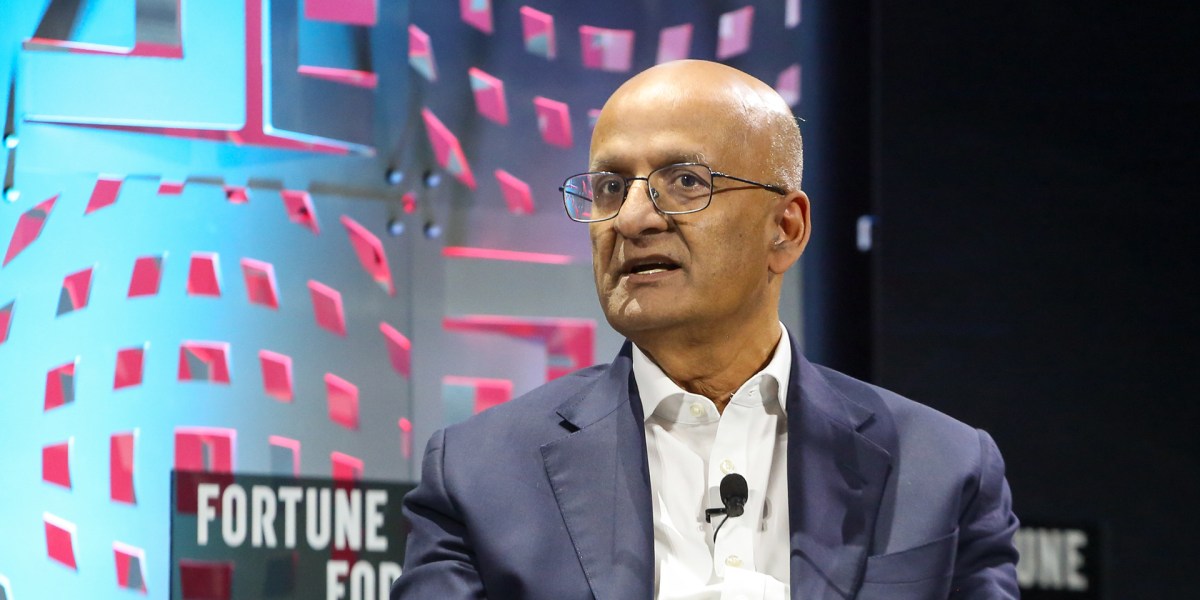



Federal Reserve Bank of Richmond President Tom Barkin warned that inflation is too high, though he sees tentative signs that price pressures may moderate soon.
“Those numbers are too high,” Barkin said Sunday in an interview with Bloomberg on the sidelines of the Aspen Ideas Festival in Aspen, Colorado.
A report released Thursday showed the personal consumption expenditures index — the Fed’s preferred metric — rose 4.1% in the year through May, the most since April 2023. While the war in Iran drove up the price of oil and other goods, the increase in price pressures has been more widespread.
“It’s hard to have confidence that you’re headed back to 2% without any more influence from the fed funds rate or the labor market or some other feature that creates disinflation the other way,” Barkin added.
The Richmond Fed chief was heartened by a rapid decline in gasoline prices in his district as the price of oil fell following a recent ceasefire agreement between the US and Iran. But he sees other forces contributing to inflation, including the build-out of artificial intelligence infrastructure. He said he’ll need to see how the economy evolves over the coming months to determine the right path for policy.
Fed officials left their benchmark federal funds rate unchanged at a meeting earlier this month. An increasing number of policymakers have warned the Fed may need to raise rates this year to reverse a pickup in inflation.
Some of Barkin’s colleagues have been particularly worried by rising prices for services, a part of the economy where inflation tends to be stickier. There’s also concern that after more than five years of inflation being above the Fed’s 2% target — and a topic of national conversation — consumer expectations for inflation could be affected, making the Fed’s job of returning price stability more difficult.
Read More: Kashkari Says Fed May Need Rate Hike Amid Broad Inflation
Price pressure from tariffs and the oil shock should now be waning, helping inflation cool, Barkin said. But at the same time, neither of those factors appeared to dent Americans’ spending, which remained strong over the past year. In an economy that’s driven by consumption, that could pose a headwind to bringing inflation all the way to the Fed’s 2% target.
Barkin also expressed concern about how businesses are behaving in the current inflationary environment.
“Businesses, when they set prices, take today’s inflation as a factor, and so I think there’s some persistence to inflation,” Barkin said. “I do worry about that, and that’s part of why I think being modestly restrictive is a reasonable place to be.”
He said companies are facing higher input costs, but they’re also seeing consumers resist higher prices, and that’s keeping a lid on how much of their higher costs firms can pass on.
In a recent trip to western Virginia, company leaders told Barkin they’re still undecided about how much they’ll raise employee compensation next year. When gas prices rose, they thought they might have to do larger-than-usual raises, but now that those prices have moderated a bit, they may no longer need to, he said.