





OpenAI acquired the daily creator tech show TBPN in April this year. The price wasn’t disclosed but the Financial Times reported a figure in the “low hundreds of millions.” That same month, HubSpot acquired AI media platform Futurepedia.
Companies have spent years renting access to creators through sponsorships, affiliate deals and short campaigns. However an acquisition gives the buyer something a campaign never does: a direct relationship with an audience, plus the creative talent and distribution system that built it. HubSpot’s recent deals point to a sensible way to approach this. Use creator partnerships as commercial due diligence, then buy when ownership adds value a contract can’t.
HubSpot tests the relationship before buying
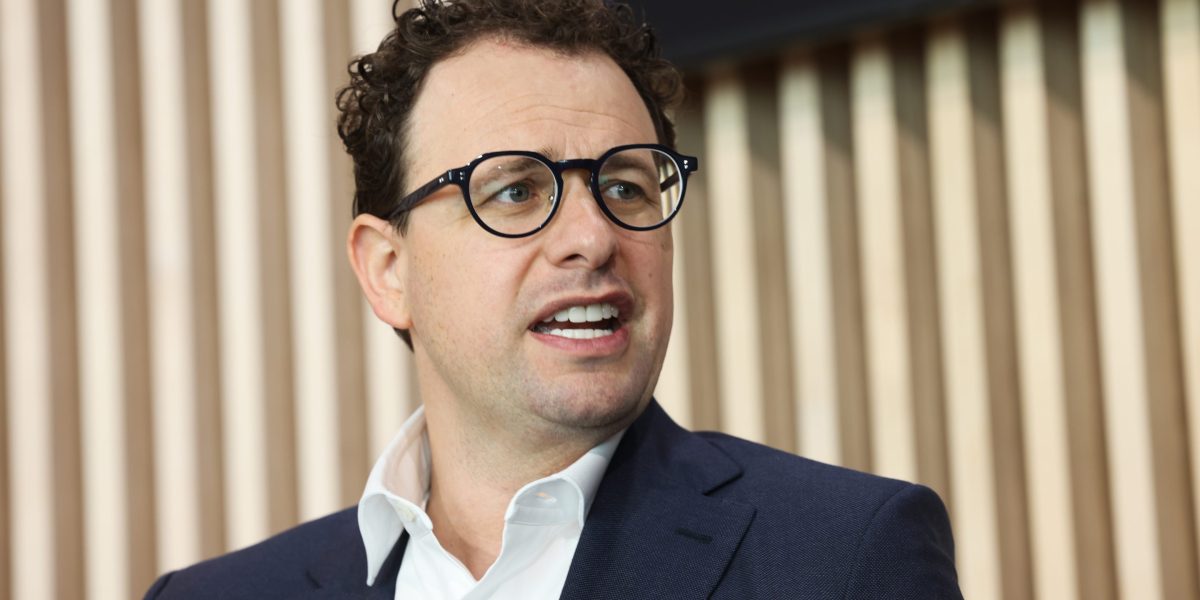
Jonathan Hunt, VP of Media at HubSpot and head of The Hustle, has spent most of his career inside media businesses: Vox Media, National Geographic, Complex. Now he runs a media operation inside a software company.
HubSpot Media owns YouTube channels, newsletters, websites and podcasts and works with a network of around 150 creators, Hunt told me on my podcast. The company’s public figures put that network at more than 50 million monthly engagements and tens of thousands of leads. Those are HubSpot’s own numbers, and “engagements” isn’t the same as unique people. Even with that caveat, the scale explains why media now sits inside the company’s customer acquisition operation, not off to the side of it.
Hunt described each expansion as a build-or-buy decision. He estimated HubSpot chooses to build 9 times out of 10, because the economics are usually better.
Building costs less. But time can matter more than cost. Hunt said HubSpot decided it couldn’t spend 12 or 24 months trying to establish an AI media brand while the category moved on without it. Buying Mindstream and Futurepedia gave the company established audiences of AI practitioners far sooner than starting from zero.
HubSpot’s creator program also doubles as a way to test deals before making them. A creator might work with the company once, then for 3 months, 6 months, a year. HubSpot watches whether the partnership generates qualified demand, and whether those leads turn into recurring software revenue. “Acquisitions that we do often originate from our creator program,” Hunt told me.
He put the commercial test in plain terms: “If we can continue to see consistent ROI month over month in terms of qualified demand that they’re able to generate, and then the down funnel ability for that demand to turn into high ASPs or really good MRR, then it’s a signal to us that hey, maybe there’s an opportunity to go deeper.”
ASP means average selling price. MRR means monthly recurring revenue. HubSpot is looking past views and clicks to whether a creator can produce customers who stick around.
A commercial relationship lets a company test audience fit, working chemistry, conversion and a creator’s consistency before it takes on the bigger financial and reputational risk of actually owning the thing.
A creator’s audience can become business infrastructure
The strategic buyer sees value that won’t show up in a media company’s ad accounts.
Starter Story reaches early-stage founders while they’re choosing the software that will run their companies. Futurepedia reaches people learning to use AI tools. Both audiences overlap heavily with who HubSpot wants as customers.
Traditional media economics lean on advertising, subscriptions or commerce. HubSpot can connect that same attention directly to software revenue. A creator video can carry a useful download related to the topic. The viewer hands over contact details to get it and might eventually become a HubSpot customer.
That changes what the asset is worth to HubSpot. A media buyer values a newsletter against its profit. HubSpot can weigh media revenue, saved advertising cost, qualified leads and the lifetime value of the software customers those leads become. It also earns a spot in the audience’s routine at moments when those people aren’t shopping for a CRM at all.
The wider spending data points the same way. The Interactive Advertising Bureau expects U.S. creator advertising spend to hit $44 billion in 2026. That’s advertising, not acquisitions, but it shows how much corporate money already runs through creator relationships. A separate IAB report from January 2026 warned the sector still lacks the measurement standards and financial rigor for full integration into corporate media planning.
Ownership has to add something a contract can’t: permanent distribution, exclusive IP, faster entry into a category. A long-term partnership is usually cheaper and easier to unwind, so the bar for buying outright should be higher than it often is.
OpenAI valued TBPN beyond its advertising revenue
OpenAI’s TBPN acquisition makes the strategic logic easier to see, because conventional media profit looks like a small part of the deal.
TBPN launched in 2024, built by entrepreneurs John Coogan and Jordi Hays. Its daily 3-hour live show became a fixture in tech circles fast, pulling in guests like Mark Zuckerberg, Satya Nadella and Sam Altman. Axios reported, citing the Wall Street Journal, that TBPN expected $5 million in 2025 advertising revenue, was profitable with no outside investors, and would wind down its ad business under OpenAI.
OpenAI said it bought a team with sharp editorial instincts, audience knowledge and the ability to get influential people in a room together. It placed TBPN inside its Strategy organization, reporting to chief global affairs officer Chris Lehane.
That structure suggests OpenAI values TBPN as a communications operation, a talent pipeline and a seat at the daily conversation around AI, more than as a media business with a P&L. Buying it saved OpenAI the time and uncertainty of building something credible from scratch.
Hunt welcomed what the deal could mean for creators generally, though he questioned the valuation from HubSpot’s own vantage point.
“I think what TBPN did was fantastic and it’s great for the creator economy and John and Jordy are great talent and the production value of TBPN was awesome and they get great guests,” he said. “Is it to the value of what they got acquired for? Maybe to OpenAI. We probably would not have done a deal like that, just given the scale and how we value attention and influence.”
What determines whether the deal holds up
The audience’s trust in a creator-led business is part of what a buyer is paying for, and it’s fragile in a specific way: it was built by one person or a small team, over years and it doesn’t automatically transfer with the paperwork.
Hunt was blunt about the failure mode. “What never works is whenever someone acquires a creator and then they’re like, okay, well, this is what you know how to talk about,” he said. “You instantly destroy the trust and credibility that’s been built up over years overnight by doing that.”
That’s a real risk and it’s worth taking seriously rather than assuming ownership structure alone solves it. The deals that hold up tend to share a pattern: the buyer stays out of the editorial decisions that built the audience in the first place and the creator keeps enough control (and enough upside) that the incentive to protect the thing they built doesn’t disappear the day the deal closes. Deals where a buyer starts dictating tone or topics to fit a corporate agenda are the ones that tend to unwind.
Companies need an investment case before they need a creator
A company weighing a creator investment should be able to answer a few uncomfortable questions before it gets anywhere near a term sheet.
How closely does the audience match the company’s future customers? What extra value comes specifically from ownership, rather than from a good partnership? And what’s left if the creator walks?
Platform risk belongs in that calculation too. Hunt said HubSpot prefers creators with an audience spread across video, newsletters, social and owned websites. A creator who depends on one algorithm is a fragile bet. One who’s moved followers onto several channels and built direct audience relationships is a sturdier one.
Evaluating these deals takes more than checking subscriber counts and revenue. Big numbers can hide weak loyalty, poor conversion or total dependence on one personality. The buyer has to understand content, audience behavior, platform risk and creator incentives, not just the financial accounts.
HubSpot’s selective process is the better lesson here: work together first, measure what actually happens and earn the confidence to go deeper. Companies have spent billions renting creator attention. I believe the next wave of buyers will try to own some of it. Whether that pays off comes down to something simple: does the audience still show up once the company’s name is on the paperwork.
This article is based on an interview with Jonathan Hunt on my podcast The Business of Creators.


