



Taiwan’s defense minister said Tuesday that existing U.S. arms sales to Taiwan remain unchanged, and that Taipei remains in talks with the U.S. over individual deals. A record $14 billion arms package to the island, however, remains stalled.
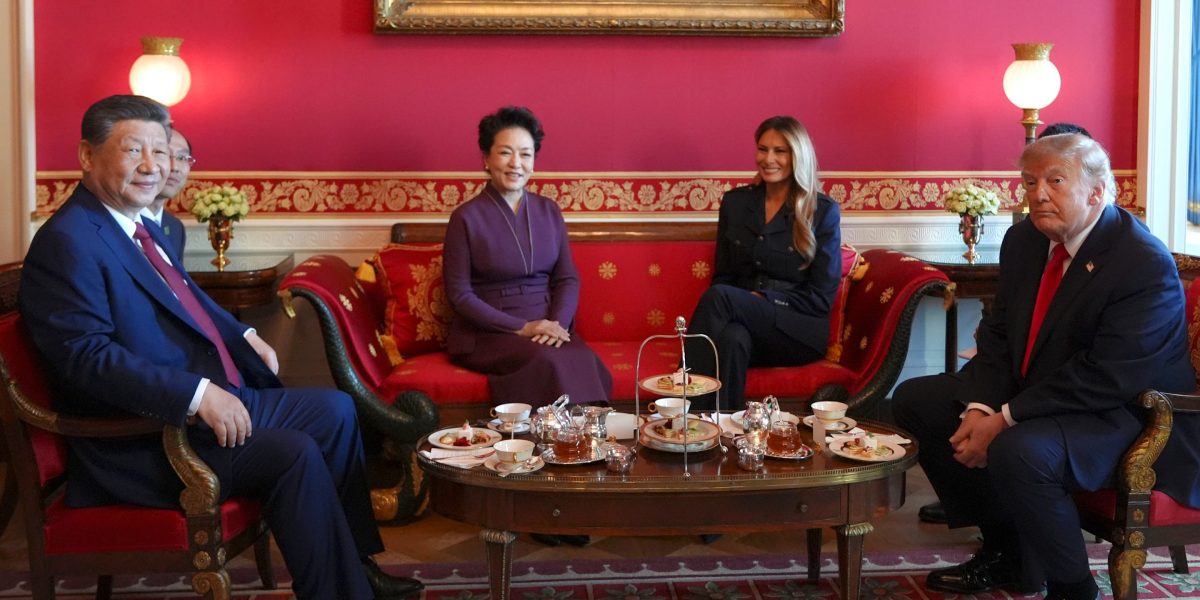
The minister’s remarks come as concerns mount that President Donald Trump could halt arms sales to Taiwan. China has pressed Washington to halt the arms sales, most prominently during a May summit in Beijing between Trump and China’s President Xi Jinping. The United States paused the $14 billion arms deal after that meeting.
“As for arms sales, we are in continuous discussions with the Americans on this,” Taiwan’s Defense Minister Wellington Koo told reporters in front of the Legislative Yuan in Taipei. “We haven’t received any notice of any changes to sales or our cooperation.”
Koo said he received assurances from the U.S. side that its policy towards the island remained unchanged.
Koo also said that 66 advanced F16-V fighter jets have reached a production stage where they’re ready to be delivered. The jets for Taiwan were supposed to be delivered in 2024, according to local media, but the project has been delayed by the pandemic and production line issues.
U.S. arms sales to Taiwan are a major source of tension between Beijing and Washington because China claims the island as its territory. While the U.S. does not formally recognize Taiwan as a country, it is the island’s largest informal ally and bound by law to ensure that Taiwan can defend itself.
Taiwan says it purchases arms so that it can defend itself in case of an invasion by China. China’s People’s Liberation Army sends fighter jets and ships toward the island almost daily.
Analysts said they expect U.S. arms sales to continue, though there may be a pause in the short term.
“There are two more summits between the U.S. and China scheduled within this year, so I think neither side really wants to break things off, and the Taiwan issue will be put aside temporarily,” Tamkang University professor Ma Chun-wei said. However, he said, Taiwan remains key from a security perspective, and “arms sales to Taiwan will still be inevitable going forward.”
___
AP videojournalist Taijing Wu contributed to this report from Taipei, Taiwan.