
Close Menu
Alpha Leaders
  • Home
  • News
  • Leadership
  • Entrepreneurs
  • Business
  • Living
  • Innovation
  • More
    • Money & Finance
    • Web Stories
    • Global
    • Press Release
What's On
Your Employees Are Trusting AI With More Than You Know

Your Employees Are Trusting AI With More Than You Know

17 September 2026
Trump blames politics rather than inflation for latest Fed hike

Trump blames politics rather than inflation for latest Fed hike

17 September 2026
Most Org Charts Haven’t Caught Up

Most Org Charts Haven’t Caught Up

17 September 2026
Facebook X (Twitter) Instagram
Alpha Leaders
newsletter
  • Home
  • News
  • Leadership
  • Entrepreneurs
  • Business
  • Living
  • Innovation
  • More
    • Money & Finance
    • Web Stories
    • Global
    • Press Release
Alpha Leaders
Home » Global Economy Is Running Out of Wiggle Room
Business

Global Economy Is Running Out of Wiggle Room

Press RoomBy Press Room17 September 20265 Mins Read
Facebook Twitter Copy Link Pinterest LinkedIn Tumblr Email WhatsApp
Global Economy Is Running Out of Wiggle Room

For a while now, the global economy has been beating the odds.

The energy shock prompted by the American and Israeli attacks on Iran in February set off the largest disruption of worldwide energy flows in history. Yet despite jumps in oil prices, widening conflict in the Middle East, fuel shortages and inflation pressures, the feared crash never came and most economies managed to muddle through.

But wiggle room is narrowing at the same time the outlook is darkening. Look at what has happened in just the last few days.

Attacks forced Saudi Arabia to shut a vital pipeline. Houthi militia seized a strategic Red Sea island and a port city, which could further restrict shipping in the region. And proposed negotiations among Gulf nations fell apart. Oil prices have shot toward $110 a barrel.

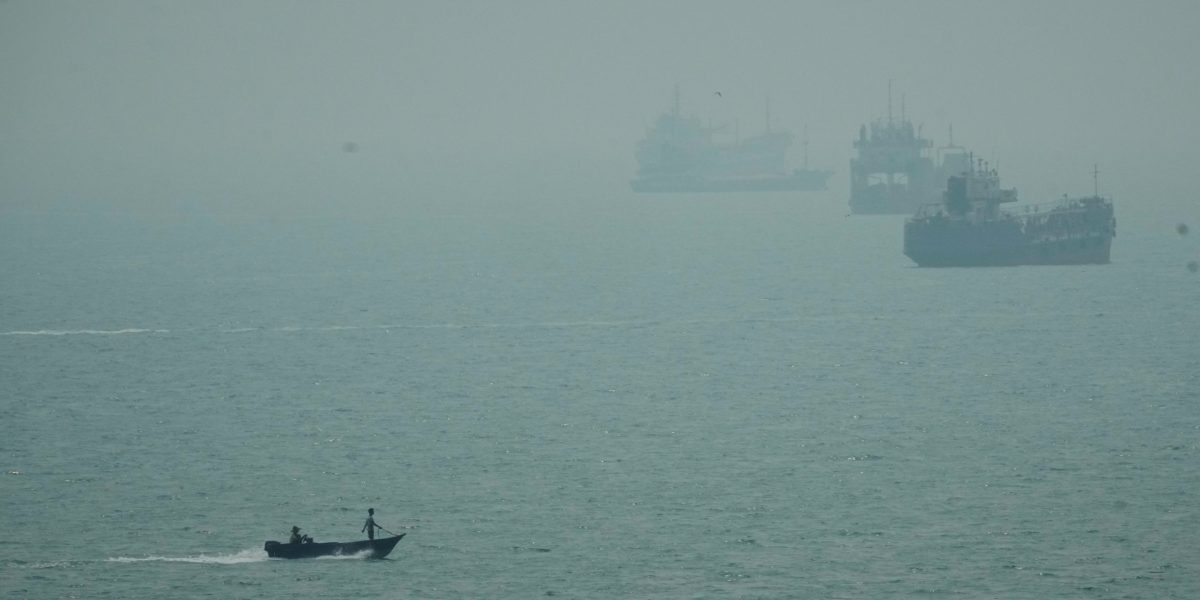
The price spike has caused rolling blackouts, rationing and angry protests from Asia to Latin America. In the Philippines, fisherman docked their boats because they can’t afford fuel. In Bangladesh, power outages caused hourslong work stoppages at factories. In Guatemala, protesters burned tires and cars.

Until now, some key moves to ease demand and bolster oil supplies helped blunt extreme price increases and acute shortages.

“The No. 1 reason why crude oil prices and product prices have not been higher than they are is that China has cut its crude oil imports,” said David L. Goldwyn, a former U.S. diplomat and Energy Department official.

The world’s largest importer of oil, China stopped stockpiling oil and relied on its own inventories, easing pressure on the global oil market at a critical moment. It also reduced or withheld exports of products made from oil, like jet fuel, meaning it needed less crude oil.

At the same time, the United States, Japan and countries across Europe dipped into their own reserves to keep prices from rising further.

The measures helped. Even Asia — the destination for about 80 percent of Middle Eastern crude and liquefied natural gas exports — was largely able to procure supplies.

Such strategies can work for only so long, though.

Storage levels among the 38 members that make up the Organization for Economic Cooperation and Development have dropped to their lowest levels in decades, according to the U.S. Energy Information Administration.

And in the Gulf, alternate delivery routes, like Saudi’s East-West pipeline, are currently not operating.

“We’re going to be dealing with prices in the $80 to $100 a barrel level at least through 2027,” said Mr. Goldwyn. Higher prices for fuel and related products like fertilizer will further push up food and transportation costs.

The disruption in energy shipping routes in the Middle East will mean higher inflation. “What’s happening is that we’ve got very low levels of inventories now, and there’s still no sign that the straits can be reopened,” said Neil Shearing, group chief economist at Capital Economics.

The Asian Development Bank projects that inflation in the region will accelerate to 5.2 percent this year from 3.0 percent last year. In Europe, Britain and the United States, inflation is likely to hover in the 3.5 to 4 percent range until at least the middle of next year, Mr. Shearing said.

Worries over prices are putting pressure on central bankers to raise rates, which will make borrowing more expensive and slow economies. That would be a blow for a country like Germany, which has already been teetering on the edge of recession.

Limited supplies of refined as well as crude petroleum from the Middle East are pushing up prices. Buffers are shrinking, the International Energy Agency warned last week, and the global refining system is “stretched to the limit.”

Ukrainian attacks on Russian refineries have contributed to the squeeze, forcing a cut in its refining capacity by roughly 30 percent over the next 18 months, according to the agency. Russia has extended its ban on diesel exports to the end of this month.

Mr. Goldwyn worries that rising prices may push Mr. Trump to ban diesel exports before the midterm elections in November. That would temporarily tamp down the price of diesel at home. But without foreign customers, he said, oil refiners are likely to reduce production, tightening global supplies.

An export ban would be particularly painful for Latin America, which is a big importer of American diesel.

No region is immune.

Persian Gulf economies are already reeling from the fallout of the Iran war. Qatar, a leading exporter of liquefied natural gas, is expected to see its economy shrink by 8.6 percent this year, according to the International Monetary Fund. Saudi Arabia’s economy shrank by 4.8 percent in the second quarter compared with the previous year.

Global shocks often cause the biggest tremors in the poorest countries. Countries across Africa rely heavily on energy and fertilizer imports. Those high costs may end up driving down harvest yields and further pushing up food prices.

Although most Asian countries have been able to avoid the kind of energy shortages and halts to production that were initially feared, they have had to pay much more for supplies.

Energy prices, of course, are not the only concern. Tariffs are raising costs for consumers and manufacturers. The World Food Program warned last month that weather conditions related to El Niño could push about 50 million people into acute hunger. And government deficits have reached record highs.

Japan and Indonesia have spent billions of dollars on fuel subsidies to help consumers weather the price hikes. Concerns about countries’ ability to pay back growing debt levels have seeped into the bond market. In Japan this month, yields on 10-year government bonds rose to a three-decade high.

Anxiety about rising risks have pushed the 10-year U.S. Treasury bond — a benchmark that affects interest rates and investments around the world — to ulcer-inducing levels.

Although the United States has been relatively insulated from the worst economic slaps, that could change.

As Mr. Goldwyn, the former energy official, said, “at some point when all your trading partners are suffering from high prices and food is more expensive and transportation is more expensive, you can’t really escape the laws of economic gravity.”

River Akira Davis contributed reporting from Tokyo.
China Economic Conditions and Trends Far East Inflation (Economics) Iran live-detached Oil (Petroleum) and Gasoline South and Southeast Asia and Pacific Areas
Share. Facebook Twitter Pinterest LinkedIn Tumblr Email Copy Link

Related Articles

Trump and Xi not likely to agree to AI slowdown at meeting, regardless of OpenAI and Anthropic calls

Trump and Xi not likely to agree to AI slowdown at meeting, regardless of OpenAI and Anthropic calls

15 September 2026
Harvard Kennedy fellow: The U.S. and China will never trust each other on AI. That may not matter

Harvard Kennedy fellow: The U.S. and China will never trust each other on AI. That may not matter

15 September 2026
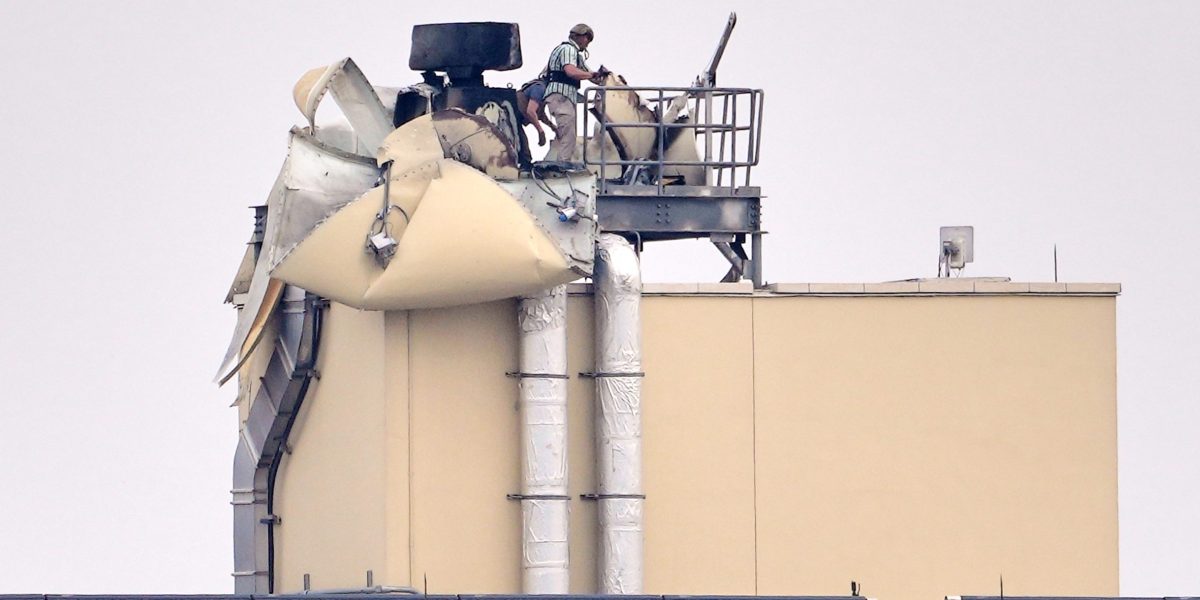
Pentagon admits that Iranian strikes damaged and destroyed hundreds of buildings at US bases

Pentagon admits that Iranian strikes damaged and destroyed hundreds of buildings at US bases

15 September 2026
The Fed’s Kevin Warsh will be forced to raise interest rates this week

The Fed’s Kevin Warsh will be forced to raise interest rates this week

14 September 2026
China startup Black Lake’s AI sales coach beat its most experienced leader

China startup Black Lake’s AI sales coach beat its most experienced leader

14 September 2026
Oman hopes Hormuz meeting fill force Trump to recognize strait’s future will be decided by region

Oman hopes Hormuz meeting fill force Trump to recognize strait’s future will be decided by region

13 September 2026
Don't Miss
Trump’s Tariffs Will Make AI Data Centers More Expensive

Trump’s Tariffs Will Make AI Data Centers More Expensive

By Press Room4 April 2025

Donald Trump’s administration has gone all-in on AI: A day after his inauguration, the newly-elected…

Unwrap Christmas Sustainably: How To Handle Gifts You Don’t Want

Unwrap Christmas Sustainably: How To Handle Gifts You Don’t Want

27 December 2024
Sam Altman’s World Wants To Scan Your Eyes To Prove You’re Human

Sam Altman’s World Wants To Scan Your Eyes To Prove You’re Human

22 October 2024
Stay In Touch
  • Facebook
  • Twitter
  • Pinterest
  • Instagram
  • YouTube
  • Vimeo
Latest Articles
Warsh says AI hyperscalers are part of why borrowing costs are up: ‘Competition for capital is real’

Warsh says AI hyperscalers are part of why borrowing costs are up: ‘Competition for capital is real’

17 September 20260 Views
Global Economy Is Running Out of Wiggle Room

Global Economy Is Running Out of Wiggle Room

17 September 20260 Views
Ryan Serhant says the American city isn’t dying—wealth is ‘multiplying’

Ryan Serhant says the American city isn’t dying—wealth is ‘multiplying’

17 September 20261 Views
How Katseye and Cardi B are helping Gap Inc re-establish its cool factor

How Katseye and Cardi B are helping Gap Inc re-establish its cool factor

17 September 20262 Views

Recent Posts

  • Your Employees Are Trusting AI With More Than You Know
  • Trump blames politics rather than inflation for latest Fed hike
  • Most Org Charts Haven’t Caught Up
  • Joe Kiani: We could cut 180,000 preventable hospital deaths a year. Here’s exactly why we haven’t
  • Warsh says AI hyperscalers are part of why borrowing costs are up: ‘Competition for capital is real’

Recent Comments

No comments to show.
About Us
About Us

Alpha Leaders is your one-stop website for the latest Entrepreneurs and Leaders news and updates, follow us now to get the news that matters to you.

Facebook X (Twitter) Pinterest YouTube WhatsApp
Our Picks
Your Employees Are Trusting AI With More Than You Know

Your Employees Are Trusting AI With More Than You Know

17 September 2026
Trump blames politics rather than inflation for latest Fed hike

Trump blames politics rather than inflation for latest Fed hike

17 September 2026
Most Org Charts Haven’t Caught Up

Most Org Charts Haven’t Caught Up

17 September 2026
Most Popular
Joe Kiani: We could cut 180,000 preventable hospital deaths a year. Here’s exactly why we haven’t

Joe Kiani: We could cut 180,000 preventable hospital deaths a year. Here’s exactly why we haven’t

17 September 20260 Views
Warsh says AI hyperscalers are part of why borrowing costs are up: ‘Competition for capital is real’

Warsh says AI hyperscalers are part of why borrowing costs are up: ‘Competition for capital is real’

17 September 20260 Views
Global Economy Is Running Out of Wiggle Room

Global Economy Is Running Out of Wiggle Room

17 September 20260 Views

Archives

  • September 2026
  • July 2026
  • June 2026
  • May 2026
  • April 2026
  • March 2026
  • February 2026
  • January 2026
  • December 2025
  • November 2025
  • October 2025
  • September 2025
  • August 2025
  • July 2025
  • June 2025
  • May 2025
  • April 2025
  • March 2025
  • February 2025
  • January 2025
  • December 2024
  • November 2024
  • October 2024
  • September 2024
  • August 2024
  • July 2024
  • June 2024
  • May 2024
  • April 2024
  • March 2024
  • February 2024
  • January 2024
  • December 2023
  • March 2022
  • January 2021
  • March 2020
  • January 2020

Categories

  • Blog
  • Business
  • Entrepreneurs
  • Global
  • Innovation
  • Leadership
  • Living
  • Money & Finance
  • News
  • Press Release
© 2026 Alpha Leaders. All Rights Reserved.
  • Privacy Policy
  • Terms of use
  • Advertise
  • Contact

Type above and press Enter to search. Press Esc to cancel.