




The Restart Foundation is an independent UK-based charity established in 2023 with a vital vision: to bring good mental health and wellbeing to Ukraine amidst the devastating impacts of the ongoing war. Founded by Alla Yansons, the organization recognizes that the nation’s future hinges on the psychological resilience of its people, particularly its youngest generation. The charity takes a comprehensive approach, offering direct therapeutic sessions for children and families, while also providing critical workshops for educators and advanced training for local mental health professionals. By actively investing in trauma-informed care and reducing the stigma surrounding mental health, the Restart Foundation, accessible at https://restart-foundation.org, is dedicated to helping Ukrainians process their experiences, rebuild their lives, and foster a hopeful, thriving society undamaged by the legacy of conflict.
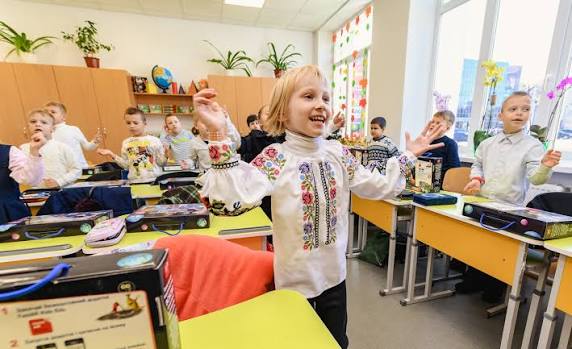
One of the charity’s flagship initiatives is the Safe Space programme, which was recently implemented at the I-School kindergarten in Kyiv. This institution is renowned for its intensive academic curriculum, preparing young children for rigorous learning. However, operating in the fourth year of a brutal war presents extraordinary challenges. Adults and children alike endure chronic sleep deprivation, constant air raid alerts, and the terrifying reality of mass attacks. During the twelve-week programme, several strikes hit residential areas near the kindergarten. The war heavily influenced the children’s behavior, manifesting as difficult conduct, emotional withdrawal, and psychosomatic symptoms. Consequently, the I-School administration reported high levels of staff exhaustion and significant difficulties in maintaining group discipline.
When the Restart Foundation team introduced their philosophy of playfulness, emotional safety, and relational learning, they encountered understandable resistance. The kindergarten’s existing culture favored an authoritarian interaction style, and exhausted educators were skeptical about the organizational changes required. Nevertheless, the programme recognized a fundamental truth: exhausted adults cannot fully support children. Before working with the preschoolers, mentor Olena Tkachenko conducted ten supervisory and support sessions for the educators and the institution’s psychologist. These sessions focused gently on burnout prevention, normalising fatigue, and introducing attachment theory. A breakthrough occurred when the team watched a documentary on attachment, allowing them to view their roles through a completely new lens. The initial resistance transformed into profound cooperation. Educators began incorporating more play into their routines, which decreased classroom conflicts and fostered warmer, trusting relationships.
With the adults stabilized, the programme focused on twenty-three preschool children divided into three therapeutic groups. Over eleven weeks, these sessions provided psychological guidance through creative exercises, physical movement, and imaginative play. For children living with extreme unpredictability, the structured nature of the sessions provided a deep sense of safety. Predictable rituals—such as engaging in calm bubble activities, lighting a transition candle, and ending with gentle physical contact—became essential stabilizing tools. Through these activities, children safely discharged anger by tearing paper and expressed hidden fears through drawings before they had the vocabulary to name them.
The initiative also fundamentally shifted the parents’ roles. Through joint meetings and individual feedback sessions, parents transitioned from being cautious observers to active, trusting partners in their children’s psychological development. They reported that their children began naming their emotions at home and actively requesting calming routines. Furthermore, the programme successfully identified four children who required specialized psychological referrals due to more severe trauma responses. It also served as a critical development opportunity for two psychology interns who progressed to independently delivering sessions.
Ultimately, the implementation at I-School highlights crucial lessons for supporting communities in conflict zones. It proves that adult wellbeing is inseparable from children’s psychological health, and that structured, compassionate environments can initiate remarkable healing. Through the dedicated efforts of the Restart Foundation, resistance evolved into resilience, proving that even amidst profound adversity, creating a genuinely safe space is possible.