



Investors who blacklist Space Exploration Technologies Corp. out of governance qualms are too hung up on box-checking and risk depriving themselves of long-term financial gains, according to Aniket Shah of Jefferies.
“The idea that there’s an — in quotes — acceptable form of good governance” is one that “I highly question,” said Shah, who is the Wall Street investment bank’s global head of sustainability and transition strategy. “People who try to put governance into some kind of straitjacket are too simple-minded and, frankly speaking, not looking at data.”
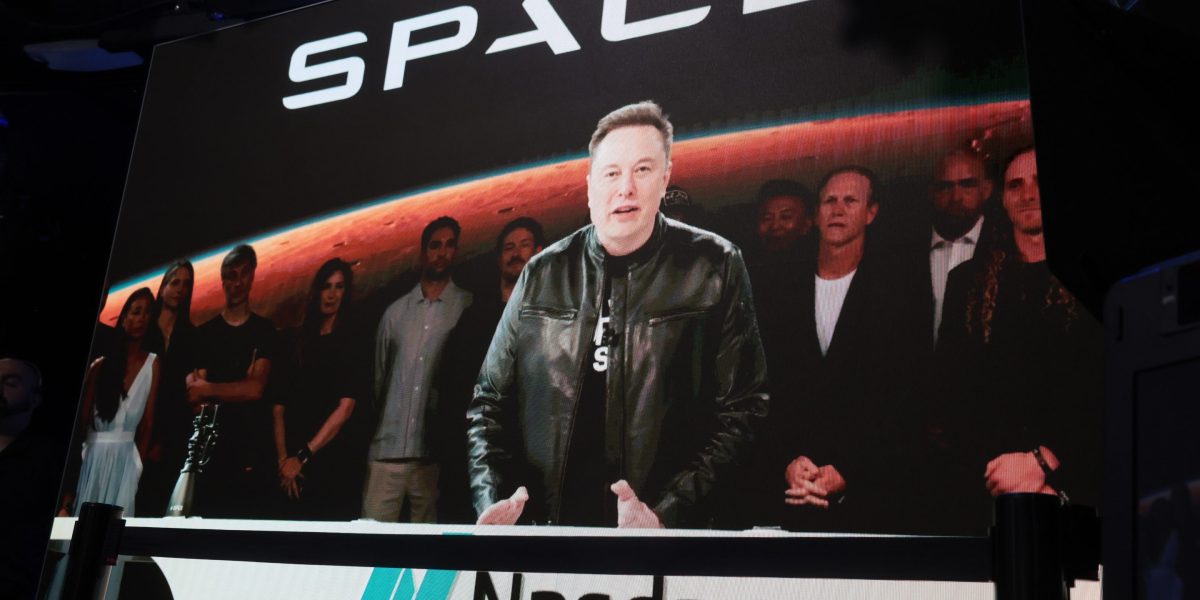
The comments follow criticism from institutional investors spanning New York to Copenhagen, who say the unprecedented control Elon Musk has over SpaceX makes the stock too risky to hold. They note that Musk, who sits on over 80% of the voting rights, is the company’s chief executive, chief technical officer and chairman. It’s a setup that one pension fund has called “catastrophic,” and grounds enough for SpaceX to be blacklisted by investors.
What to make of SpaceX has divided market participants, with most of the controversy centered on the company’s valuation. Against that backdrop, its share-price moves have drawn intense scrutiny as investors and analysts look for signs that the initial enthusiasm was unjustified.
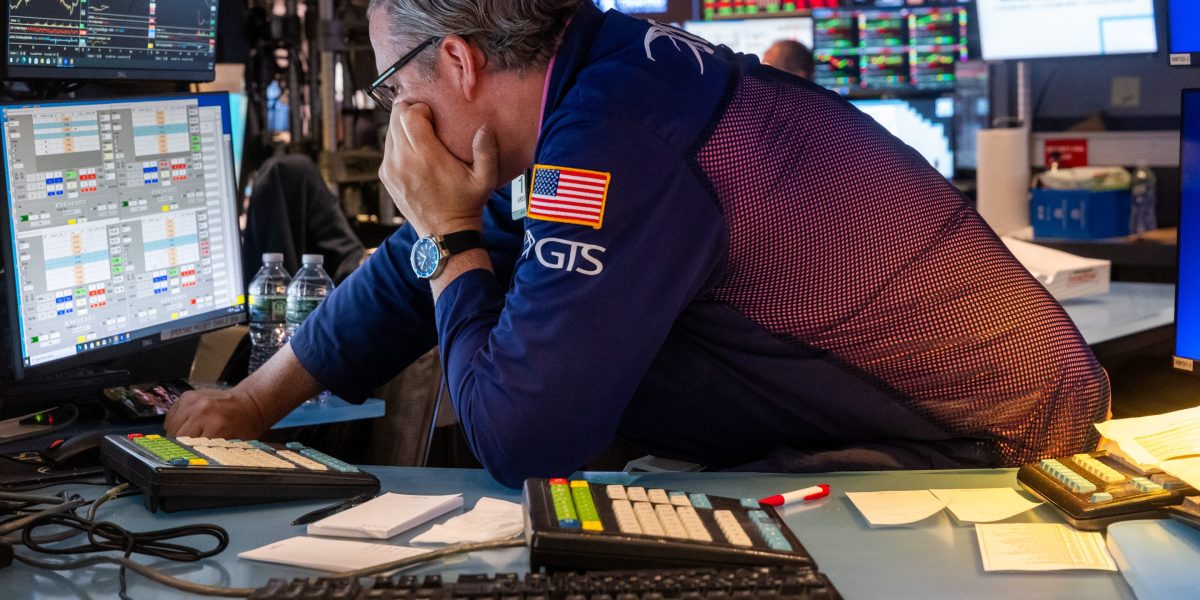
Since SpaceX’s June 12 IPO, which briefly made Musk the world’s first trillionaire, the stock has dropped about 20% amid a wider selloff of technology companies that’s seen the Nasdaq 100 Index move into a correction. Shah, who’s based in New York, says it would be misguided for investors who’d warned about governance risks to see this as evidence they were right.
“I don’t think the recent performance of SpaceX over the last few weeks has anything to do with governance issues,” he said in an interview. “Investors may be reevaluating general views on AI, but to say the chickens have come home to roost because the stock is down and linking that to governance is a far stretch in my mind.”
A Unique Position
Jefferies stands out for its relationship with SpaceX. It was conspicuously absent from the long list of investment banks that handled the SpaceX IPO, putting it in a unique position to help speculative investors short the stock, Bloomberg reported in June. Jefferies CEO Rich Handler subsequently posted on Musk’s social media platform X that the firm is “not arranging any shorts.”
Shah, who emphasized that his role at Jefferies is unrelated to the bank’s decision-making process around participating in IPOs, is instead distancing himself from other corners of the sustainable investing industry by criticizing what he sees as a narrow-minded governance debate.
Money managers with sustainable mandates have warned that holding SpaceX would expose investors to an array of heightened risks that, aside from governance issues, includes stewardship worries as well as basic valuation questions.
Nell Minow, co-founder and chair of ValueEdge Advisors LLC, told Bloomberg in June she thinks the SpaceX IPO “extinguishes shareholder rights entirely, all but eliminating the right to bring a lawsuit for failure to meet fiduciary standards, cutting off access to books and records.”
New York City Comptroller Mark Levine said before the IPO that Musk’s control over SpaceX represents a new level of disregard for regular shareholders’ rights. “There’s no precedent for this,” Levine said in June.
A Bloomberg request for comment from SpaceX, sent by email, went unanswered.
Shah notes that much of the criticism of SpaceX’s governance structure centers on the CEO and chairman roles being handled by one person. It’s a constellation that many sustainable money managers criticize due to the perceived risk that it undermines a board’s independence in overseeing management. Critics of the model include Norway’s $2.3 trillion sovereign wealth fund, the world’s largest, which has long argued that a board should have an independent chair.
Shah says investors allocating funds based on that principle stand to lose a lot of money.
“The data is clear that there is no clear direct evidence that chairman-CEO separation always leads to better performance,” he said. “One of the many lessons the ESG community should have learned by now is that having overly prescriptive ways of looking at the world — a check-list approach where dual-class shareholder structure is bad, chairman-CEO separation is good, shareholder concentration is bad — is overly simplistic and can result in making bad investment decisions.”
Generational Wealth
Shah says that anyone following such principles “could not have invested in Facebook or Tesla, and would have missed out on a generational wealth event.” Since its 2012 listing, Facebook parent Meta Platforms Inc. has gained more than 1,300%. Tesla Inc. is up roughly 27,000% since going public in 2010.
The comments get to the heart of what often makes sustainable investing controversial. Purists argue that the investment style ultimately protects wealth. Critics warn that too much focus on what they characterize as ideological issues risks distracting from fiduciary responsibilities.
Shah suggests that the attitude toward artificial intelligence is a case in point.
“When ESG was hot a few years ago, they would have said Anthropic is a PBC,” which stands for public benefit corporation. “And that is good” because it means the company is “thinking about all stakeholders.”
Anthropic, which has a long-term benefit trust overseeing the extent to which it adheres to its public-benefit mission, is expected to do an IPO possibly later this year after it confidentially filed a draft registration statement with the US Securities and Exchange Commission.
Shah says the biggest question he has when it comes to investing in AI companies is how they interact with government policies. That includes a company’s ability to play a role in matters of national security, as well as its vulnerability to sudden changes in rapidly evolving regulations.
For example, “the US went from a year ago having virtually no AI regulations to now state and federal level” rules being advanced, Shah notes.
So the real “governance linkage here is the fact that the state is inextricably linked to the future of this technology,” he said.