

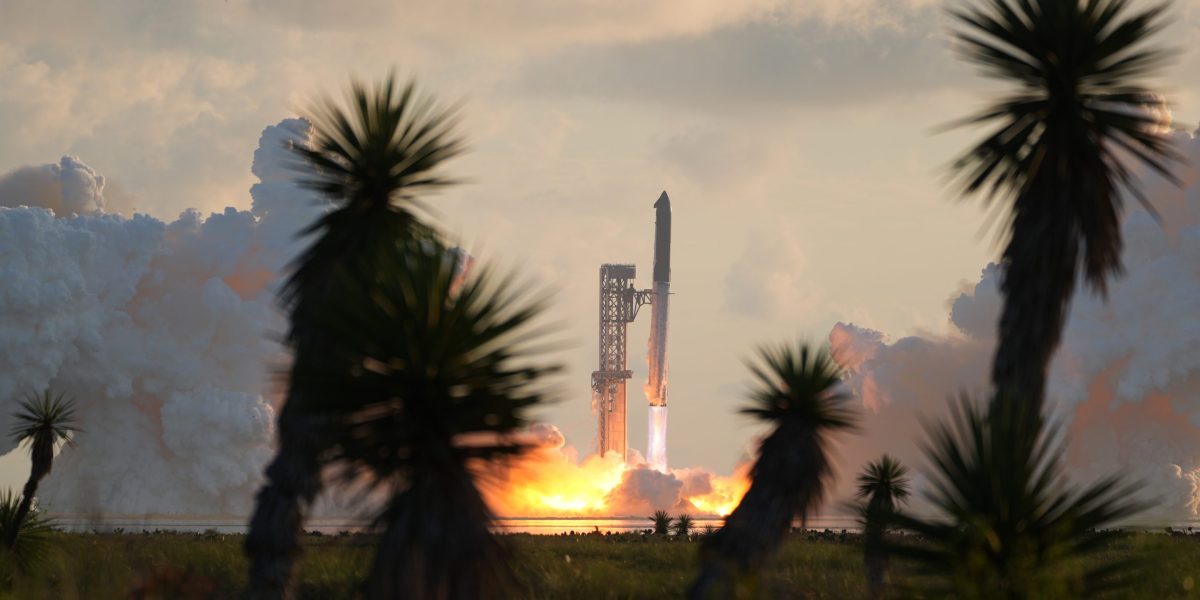




The AI boom has been financed and priced by private markets. That is about to change as SpaceX, Anthropic and OpenAI move toward public listings. Wall Street is preparing to test whether public investors will buy the idea that frontier AI companies can absorb unprecedented capital, spend hundreds of billions on computing infrastructure and grow fast enough to justify trillion-dollar valuations. For the first time, the markets will price these companies on publicly disclosed numbers.
Private Money Is Building The AI IPO Pipeline
Most of the money behind the AI IPO pipeline has come from private hands. OpenAI closed about $122 billion in March 2026 at an $852 billion valuation, the largest private financing ever assembled. In May, Anthropic raised $65 billion at a $965 billion valuation, briefly overtaking its rival in value on paper. Anthropic’s round followed $30 billion raised just three months earlier. xAI, Elon Musk’s AI company, which includes the former Twitter assets, added $20 billion in January before folding into SpaceX in February in a deal that valued the combined company at $1.25 trillion. Across these three names, private backers have committed almost a quarter trillion dollars so far this year.
The equity story is only the first layer. While the AI IPO pipeline is being built with private money, the physical AI buildout that supports it is increasingly being financed through private debt, special-purpose vehicles and vendor-backed arrangements. Large public companies, such as Meta, Oracle and Nvidia, are investing heavily while keeping debt obligations outside ordinary public-market visibility. These structures keep the escalating costs out of plain view and concentrate exposure in a small group of lenders.
Meta and Blue Owl Capital closed about $27 billion for a single Louisiana campus, the largest private-credit transaction on record. Oracle sold $18 billion of bonds in one day to help fund its Stargate commitments to OpenAI, a program with Oracle and SoftBank that carries a price tag near $500 billion on its own, much of it expected to arrive as debt. Nvidia invested roughly $110 billion in direct financing or chip-backed lending, supporting many of the customers that buy its chips.
The logic is to move enormous capital costs into infrastructure vehicles, long-term lease arrangements and financing structures that are easier to absorb than direct operating losses. The risk is that leverage becomes harder to see.
What The AI IPO Filings Will Expose
An IPO requires an S-1, and that document will show numbers the private rounds never had to defend in public. The first test will be revenue quality. OpenAI reached an annualized revenue run rate of about $20 billion in 2025, up from $6 billion the year before. Anthropic’s revenue run rate climbed from about $10 billion at the end of 2025 to $47 billion by May 2026. The aggressive growth rates have raised questions about how much reported revenue will survive public-market scrutiny. Anthropic’s issue is whether headline revenue reflects gross bookings or net revenue after partner cuts, fees and revenue-share payments, even though its enterprise-heavy mix is one that investors usually reward. OpenAI faces broader concerns about churn-sensitive estimates in the consumer market and how much the hype can be converted into durable demand.
The second hurdle will be profitability. OpenAI expects to lose $14 billion in 2026, before any profit arrives around 2030. Its business is cash-flow negative. Writing for PitchBook, Harrison Rolfes argues the revenue is real, but the economics are “broken,” noting OpenAI spent $2.22 for every dollar earned in the first quarter. Anthropic looks healthier, with positive free cash flow expected before the end of the decade and gross margins now near 70%, close to mature software levels. Public investors will ask whether these improving economics show a path to software-like profitability or merely reflect business models that remain difficult to read, difficult to compare and still in formation.
Finally, investors will need to assess outstanding obligations. OpenAI had announced compute commitments of up to $1.4 trillion, later reduced to $600 billion. That number turns the AI story from a software-growth story into something closer to an infrastructure-finance story. The filings will have to show how much of the future has already been committed, how flexible those commitments are and how much revenue must arrive simply to keep pace with the cost of staying at the frontier.
How Public Markets Will Value This AI IPO Cycle
The filings will expose the numbers, and the market will decide what those numbers are worth.
SpaceX is seeking up to $75 billion at a $1.75 trillion valuation, while Morningstar puts fair value closer to $780 billion, less than half the ask. This level of disagreement is an early signal of how wide the gap may be between private-market conviction and public-market discipline. Regardless of the company valuation debate, a $75 billion raise would roughly triple Saudi Aramco’s $25.6 billion in 2019, the largest IPO on record.
OpenAI and Anthropic will face different versions of the same test. OpenAI has the brand, consumer reach and developer ecosystem, but also extraordinary burn and infrastructure obligations. Anthropic has the cleaner enterprise story and faster path to cash flow, but its contracts are young and it faces litigation with the U.S. government. Investors will ask how much of the economics belongs to the labs, how much belongs to chipmakers and cloud providers, and whether growth can outrun capital intensity.
Private markets priced the promise; the IPOs will test its substance. The IPO window is open. The first quarter of 2026 produced 22 listings that raised more than $9.4 billion, the strongest opening quarter in five years.
What The First AI IPO Will Reveal About American Markets
The first AI IPO will set the template for how the category is valued. Anthropic filed confidentially on June 1, 2026, ahead of OpenAI. The first mover will help set the price for the rest of the cycle. But a busy IPO market is not always a healthy one. In 2021, more than 1,000 companies went public and raised about $135 billion, only for much of that class to later trade below its issue price.
The incumbents tell another part of the story. In June 2026, Alphabet raised $84.75 billion of new equity, the largest equity raise in US corporate history, on top of more than $30 billion of debt it had sold earlier in the year. A single established company raised more in the public market than any of the headline AI IPOs are expected to raise, and it did so on demand. Alphabet did the capital raise on the back of tens of billions in annual profit, while the labs will be asking the same investors to fund years of losses before profits arrive.
This contrast defines the moment. Public markets offer depth and liquidity that let a company raise tens of billions in a week and let investors sell the next morning. Private markets have funded the labs through rounds priced by insiders, with no daily price and little room to exit. The labs leaned on private capital because it asked fewer questions, and the move to list is a move toward scrutiny and liquidity at the same time.
The strength of American finance is that both pools are this large at once. The private market supplied the patient, high-risk equity and credit that built the current wave of AI, and the public market now stands ready to refinance it at a scale no other system can match. I have argued before that the AI buildout rhymes with the dot-com era without repeating it. The AI IPO wave will rise or fall on what the filings reveal and how investors choose to read them, not on the technology that made the labs worth listing in the first place.


