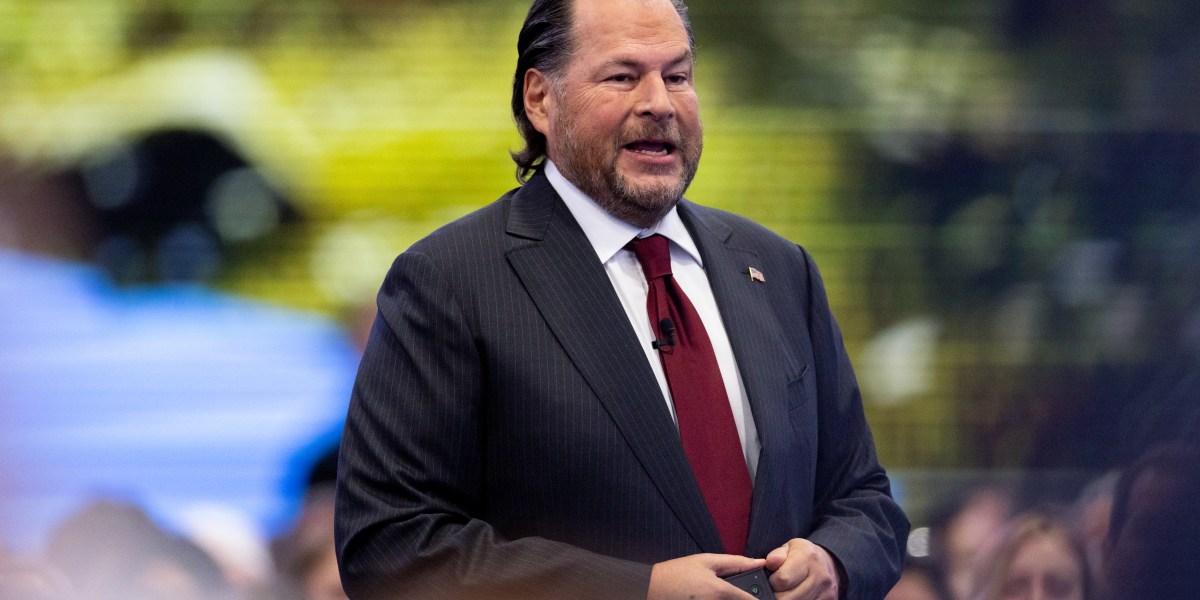



Siddharth Jawahar ran a nearly decade-long scheme through his firm Swiftarc Capital, court records show, before pleading guilty to wire fraud.
A federal judge in St. Louis sentenced Siddharth Jawahar to 11 years in prison this week for running a Ponzi scheme that took in more than $35 million from investors, according to court filings in the Eastern District of Missouri.
Jawahar, 38, pleaded guilty in January to three counts of wire fraud. He was indicted in December 2023 on those three counts plus a fourth charge, investment adviser fraud, which prosecutors agreed to drop as part of the plea deal. And this week, one of those victims was a famous football star.
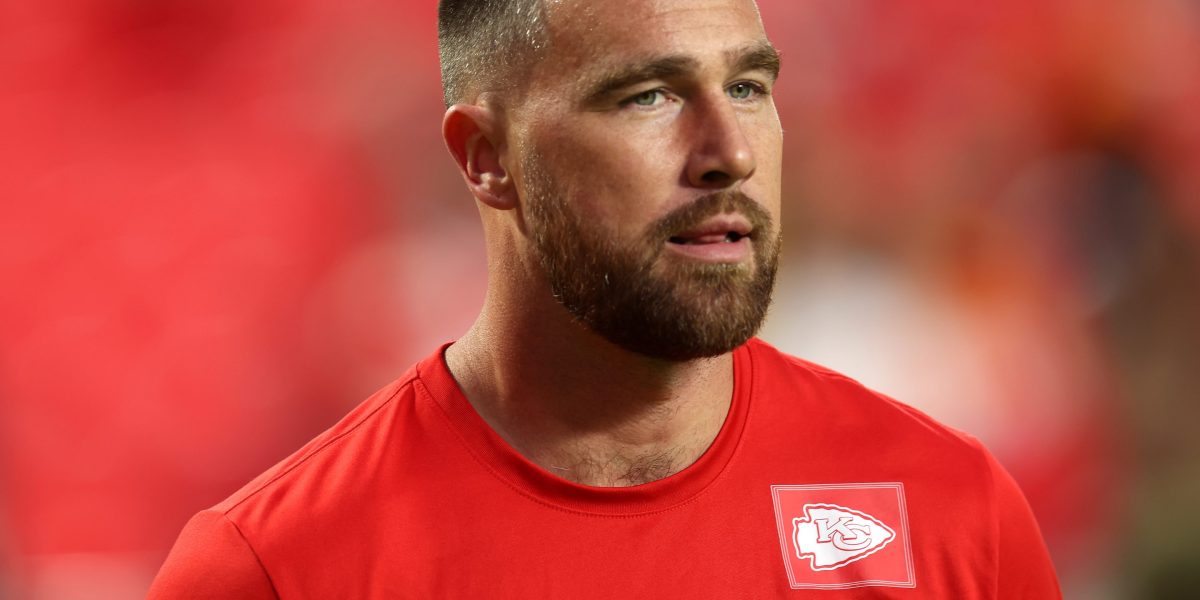
According to TMZ, Kansas City Chiefs tight end Travis Kelce was named in court as one of Jawahar’s victims during the sentencing hearing on Tuesday. Prosecutors did not elaborate on Kelce’s connection to the case, citing a policy of not discussing individual victims, and it’s not clear how much money, if any, Kelce lost. Kelce would not be the first celebrity to lose money to a Ponzi scheme: actor Kevin Bacon has spoken about losing most of his savings to Bernie Madoff.
Jawahar ran an investment company called Swiftarc Capital LLC, registered in Texas since 2010. He told clients he was investing their money in a range of companies. Instead, according to the indictment, he funneled nearly all of it—99% by one point—into a single overseas company, Philip Morris Pakistan. When that investment’s value collapsed, Jawahar didn’t tell his investors. He told them the opposite: that their money was earning strong returns. When investors asked for their money back, he paid them with cash from new investors, the hallmark of a Ponzi scheme. Court records put the total taken from investors at $35,607,984.16, of which only about $10 million was ever actually invested.
In one instance detailed in the plea agreement, Jawahar emailed two investors in May 2018 claiming Swiftarc was “investing a total of $525,000” in a company. He never invested anything.
The government did not mince words about his motive. In a sentencing memo, prosecutors quoted Jawahar’s own interview with the FBI: he “did this because of greed, any other adjective would be incorrect.” The same filing accuses Jawahar of later contradicting himself in his own sentencing paperwork, where he argued he “did not commit these crimes out of greed.” Greed is a common thread in these cases — Fortune has previously reported on the psychology behind Bernie Madoff’s scheme, history’s largest Ponzi scheme.
Prosecutors also laid out how the money was spent: private jets, five-star hotels, memberships at clubs including Zero Bond, Soho House and the Casa Cipriani in New York, plus a $164,000 New York apartment and a $363,280 apartment in Austin. Jawahar told the FBI he “primarily used the funds from these fraudulent investments for personal consumption,” according to the same filing.
After his arrest, prosecutors say Jawahar tried to derail the case. Court filings describe a recorded jail call in which Jawahar told a victim who was scheduled to speak with the FBI to “be dedicated” — which the victim later told investigators he understood as pressure to withhold information. Prosecutors also say Jawahar asked his sister to remotely wipe his phone and lied to pretrial officers about his finances and immigration status.
More recently, Jawahar hired a political consulting firm, Axiom Strategies, to help place sympathetic media coverage and solicit support letters ahead of sentencing, according to a contract filed with the court. A transcript of a recorded jail call between Jawahar and the firm’s Jeff Roe shows the two discussing plans to target an article about Jawahar toward the sentencing judge, including paying to “geofence his house” with ads. When Roe raised the possibility the plan could look “overly calculated,” Jawahar responded, “which of course it is.”
Jawahar has also asked the court for permission to marry his fiancée, Caroline Tredway, while in custody. Prosecutors are opposing the request, arguing in a filing that the marriage “may be a pretextual attempt for Defendant Jawahar to obtain immigration status in the United States.” The filing cites a recorded call in which Tredway asked Jawahar what would happen if he were deported, and he replied, “if you don’t marry me, I guess that might happen.”
Jawahar has not yet paid any of the $31.35 million in restitution he owes his victims. Prosecutors say a recorded call captured him telling Tredway that “restitution never gets paid” and that he expects it to eventually “get commuted.”
For this story, Fortune journalists used generative AI as a research tool. An editor verified the information’s accuracy before publishing.