



A group of states are preparing to file a lawsuit to block Paramount’s acquisition of Warner Bros. Discovery as soon as this week, according to four people briefed on the plans, a legal challenge that would create a major obstacle for one of the biggest media mergers in history.
A draft of the lawsuit currently circulating argues that the $111 billion deal would harm competition in the market for so-called tent pole films, the expensive blockbusters that make up a large portion of studio revenues, among other claims, two of the people said.
California has taken the lead on the lawsuit, and states including New York, Washington and Connecticut have said they will join the effort, according to three of the people, as well as another person familiar with the states’ plans. All of them spoke on condition of anonymity to discuss a sensitive legal matter before it was public.
Once the lawsuit is finalized, the states could decide to delay filing it or scrap it completely. Reuters earlier reported states could sue as soon as this week.
A spokeswoman for Paramount said in a statement that the company was prepared to address “legitimate antitrust issues,” adding that its merger with Warner Bros. Discovery “raises no such concerns.”
“We are confident the facts and the law support this transaction, and we will continue to defend it vigorously,” she added.
Paramount has said it plans to close the deal in the third quarter of the year. As part of its deal with Warner Bros. Discovery, Paramount has said it would pay the company’s shareholders about $650 million in cash for each quarter the deal doesn’t close, starting in October.
The lawsuit would disrupt efforts by the billionaire Larry Ellison and his son, David Ellison, to create a Hollywood colossus. The combined company would include two major movie studios, multiple streaming services and the news networks CNN and CBS News, expanding the father-son duo’s influence over the flagging entertainment and media industries.
The states present the most significant remaining legal challenge to the deal in the United States after the Justice Department said last month that it would not challenge the transaction. The “film and television industry is highly dynamic, and the proposed transaction is not likely to harm competition or American consumers,” the department said in a statement announcing its decision.
Internationally, the company has already secured approvals from more than 20 countries and regions, including China and Australia. Some international regulators must still approve the deal, including Britain. In June, a British official said her government was leaning toward examining the acquisition.
David Ellison, a movie producer behind films like “Top Gun: Maverick,” bought Paramount last year with backing from his father, the founder of Oracle and a friend of President Trump’s. He then began a campaign to outbid Netflix for Warner Bros. Discovery — successfully reaching a deal to buy the company in February.
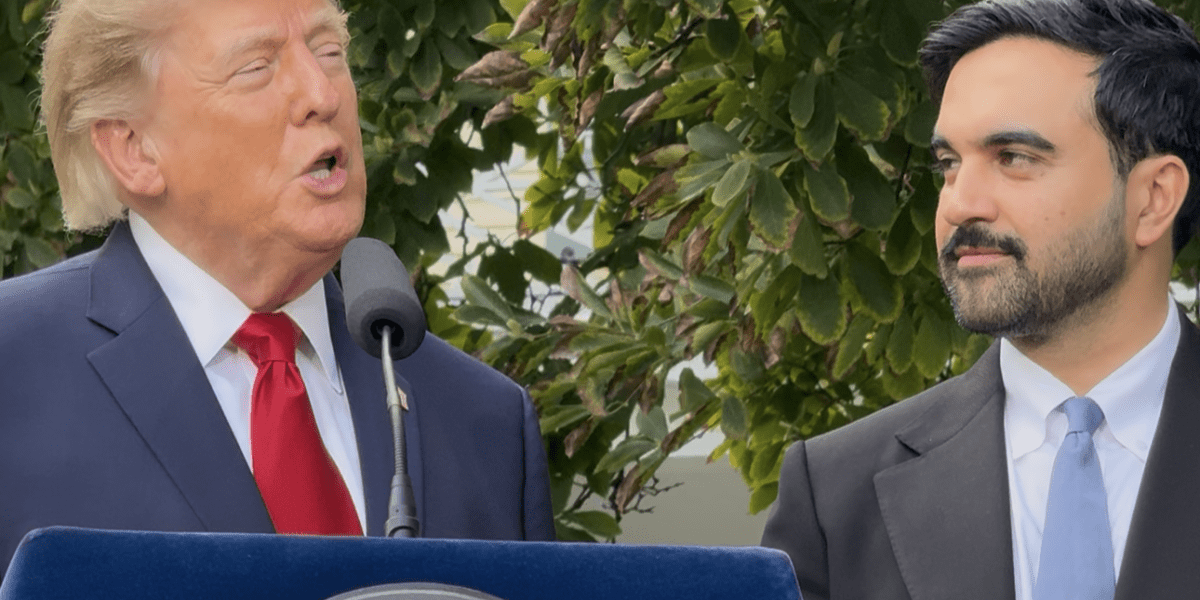
The deal has renewed scrutiny of the relationship between the Ellisons and Mr. Trump. In April, during the week of festivities in Washington for the White House Correspondents’ Association annual dinner, CBS News hosted a large dinner where Mr. Trump sat at a table with David Ellison and Makan Delrahim, Paramount’s chief legal officer. Acting Attorney General Todd Blanche also attended the dinner, which was billed as an occasion “honoring the Trump White House” and took place while the Justice Department was still reviewing the deal.
In recent months, opposition to David Ellison’s purchase of Warner Bros. Discovery has grown in Hollywood, as actors, documentary filmmakers and producers have spoken out about potential risks to the entertainment business. In April, more than 1,000 writers, actors and directors released a letter opposing the deal, saying it would further curtail spending on film and TV projects.
Paramount has suggested a number of incentives to California to avoid a lawsuit, according to two people familiar with the company’s position. For example, the company said it could establish a $50 million fund to train union workers if they became displaced by new technologies including artificial intelligence, the two people said.
Rob Bonta, California’s attorney general, has said publicly that he prefers “structural remedies” to address his concerns, which usually refers to the sale or spinoff of a portion of the business.
Paramount has argued that the large size of the new company is necessary to compete against streaming heavyweights like Netflix and Amazon. Paramount plans to use its savings from combining operations to invest in better content, a boon for consumers, it has said.
In filings last month related to a separate brought by streaming subscribers seeking to block the deal, Paramount executives said in sworn declarations that they planned to release at least 30 movies in theaters annually and keep new releases in theaters for at least 45 days before putting them on streaming platforms.
State attorneys general have taken a more active role in regulating antitrust during the second Trump administration, in which the president’s appointees have increasingly greenlit major deals and settled lawsuits.
In April, state attorneys general secured a restraining order to halt the merger of the broadcasting companies Nexstar and Tegna. That same month, a group of states won a jury verdict that found Live Nation, which owns Ticketmaster, had acted as a monopoly, after the Justice Department settled with the company over the same concerns.
Paramount has bulked up its legal team in anticipation of a possible suit. The company hired the lawyer who won the Live Nation verdict for the states, Jeffrey Kessler of the law firm Winston Taylor. Paramount has also hired Paul Clement, of the law firm Clement and Murphy, who is known for his work before the Supreme Court, the two people familiar with the company’s position said.