



American healthcare has a strange relationship with prevention.
We celebrate it rhetorically. We promote it at conferences. We publish studies about it. We devote entire departments to population health and wellness. Yet structurally, we continue to finance the opposite.
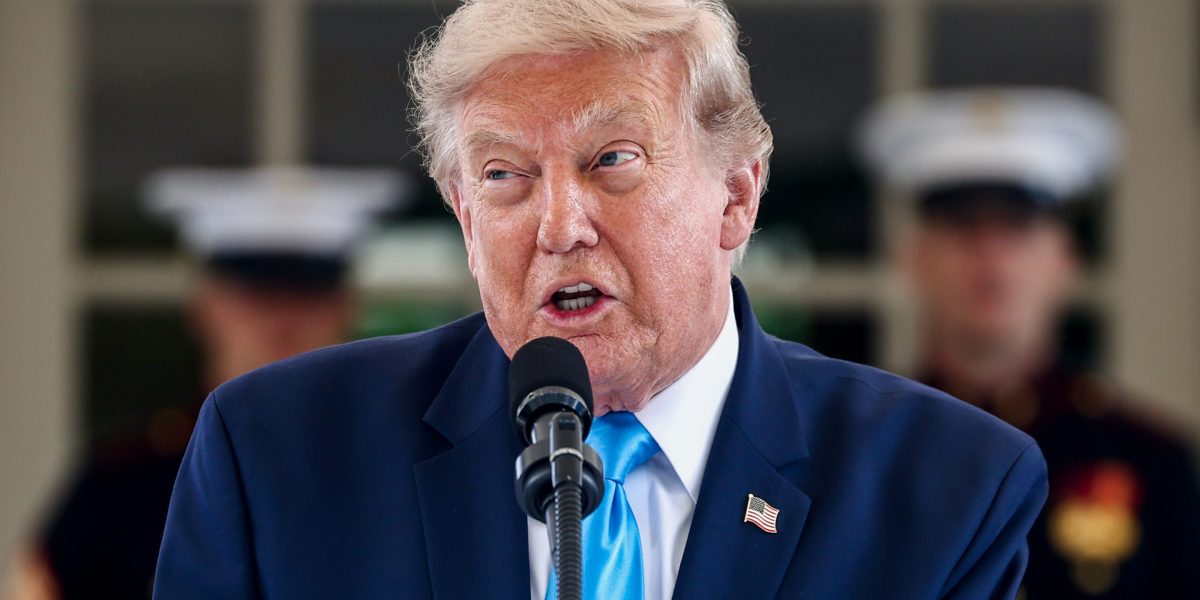
The Make America Healthy Again (MAHA) movement led by Secretary of Health Robert F. Kennedy Jr. and President Donald Trump has generated intense debate about nutrition, chronic disease, food systems, pharmaceuticals, and public health. Whatever one’s views of its politics, the movement has succeeded in drawing attention to a contradiction that healthcare leaders have spent decades attempting to reconcile. We know far more about preventing chronic disease than our healthcare system is organized to act upon.
The evidence supporting lifestyle interventions—including nutrition, physical activity, sleep, stress management, social connectedness, and avoidance of harmful substances—is overwhelming. These factors influence many of the conditions that account for the largest share of healthcare spending, including cardiovascular disease, diabetes, obesity, hypertension, and many forms of cancer. In some cases, lifestyle interventions rival the benefits of pharmaceutical therapies. In others, they enhance the effectiveness of medications such as GLP-1s. In many circumstances, they reduce medication dependence while improving quality of life. If maximizing health were truly the organizing principle of American healthcare, prevention would sit at the center of care delivery. Instead, it remains largely at the margins.
The reason is not scientific uncertainty. It is partly economic reality. But it is also something else. It is a failure of leadership.
The dominant payment model in American healthcare remains fee-for-service reimbursement. Under this model, providers are paid when something happens: a procedure is performed, a diagnostic test is ordered, a patient is admitted to the hospital, or a specialist visit occurs. Revenue is tied to activity. Prevention works differently. Its success is measured by events that never occur: the heart attack that never happens, the hospitalization that is avoided, the diabetic complication that never develops. That is excellent medicine. Yet in many organizations it remains a difficult business proposition.
This reality is often presented as though it absolves leaders of responsibility. It does not.
The uncomfortable truth is that healthcare leaders have known about this contradiction for decades. We have known that nutrition matters. We have known that physical activity matters. We have known that smoking cessation matters. We have known that loneliness, stress, and social isolation have profound effects on health outcomes. None of these observations are new. What is striking is not our lack of knowledge. It is our inability to organize ourselves around what we already know.
Many health systems and insurers have attempted to move toward value-based care through risk contracts, shared savings arrangements, population health programs, and prevention initiatives. Yet in most organizations these efforts represent only a fraction of the enterprise. The result is a peculiar form of institutional split personality. One part of the organization is investing in prevention, care management, nutrition programs, and interventions designed to reduce avoidable utilization. Another part of the organization remains dependent upon hospital admissions, specialist referrals, procedural volume, and diagnostic testing to achieve its financial objectives.
One side of the organization is attempting to reduce utilization. The other side depends upon it.
The result is not resistance so much as hesitation. Organizations launch promising lifestyle medicine and prevention programs. They establish pilot projects. They celebrate early results. They produce compelling data. Yet they rarely make the larger organizational commitment required to fundamentally alter how care is delivered. Doing so would require confronting the financial implications of success.
That is where leadership enters the story.
Transformation is often discussed as though it were primarily a technical challenge. In reality, it is usually a question of courage. The science supporting prevention is not new. The evidence supporting lifestyle medicine is not controversial. The barriers are largely organizational, financial, and cultural. Leaders must decide whether they are willing to move resources away from activities that generate revenue today and toward activities that create health tomorrow. They must decide whether they are willing to tolerate short-term disruption in pursuit of long-term value. They must decide whether they are prepared to build institutions around outcomes rather than activity.
Those decisions are difficult precisely because they involve tradeoffs. Every meaningful transformation does.
Healthcare has developed a habit of avoiding those tradeoffs through endless pilots. Lifestyle medicine programs frequently begin as small demonstrations led by passionate clinicians. Many produce encouraging results: lower A1Cs, reduced medication use, improved patient engagement, and lower healthcare utilization. Yet relatively few scale across entire enterprises. Pilots allow organizations to signal commitment without fully confronting the implications of success. They allow leaders to support prevention rhetorically while preserving the economics of the status quo.
This pattern appears throughout healthcare. We frequently mistake experimentation for transformation. We convince ourselves that because we are studying something, we are implementing it. We celebrate innovation while protecting the structures that prevent innovation from spreading.
By contrast, organizations operating under full-risk arrangements often reach a very different conclusion. When providers are responsible for the total cost of care through capitation, global budgets, or delegated-risk models, prevention becomes strategically indispensable. Reducing hospitalizations is no longer a threat to revenue. It becomes a source of sustainability. Helping patients avoid complications is not merely good medicine; it is essential to the long-term success of the enterprise. When incentives align with outcomes, prevention stops being an aspirational concept and becomes an operational priority.
This is why the most important question raised by the MAHA movement is not whether prevention works. It does. The more important question is whether healthcare leaders are prepared to build organizations around that reality.
For decades, our industry has spoken passionately about prevention while continuing to derive much of its revenue from the treatment of preventable disease. The tension between those two realities helps explain why prevention and lifestyle medicine remains admired, studied, and discussed, yet still struggles to become a core component of healthcare delivery.
The paradox of American healthcare is that we already know how to prevent many of the conditions that drive the majority of our costs and suffering. The challenge is not a lack of evidence. It is not a lack of awareness. It is not even a lack of promising models. The challenge is whether leaders are willing to accept the disruption that accompanies genuine transformation.
Because in the end, prevention is not simply a clinical strategy or a payment reform agenda. It is a test of whether healthcare is willing to organize itself around health rather than disease. And that is ultimately a question not of science, but of leadership.