



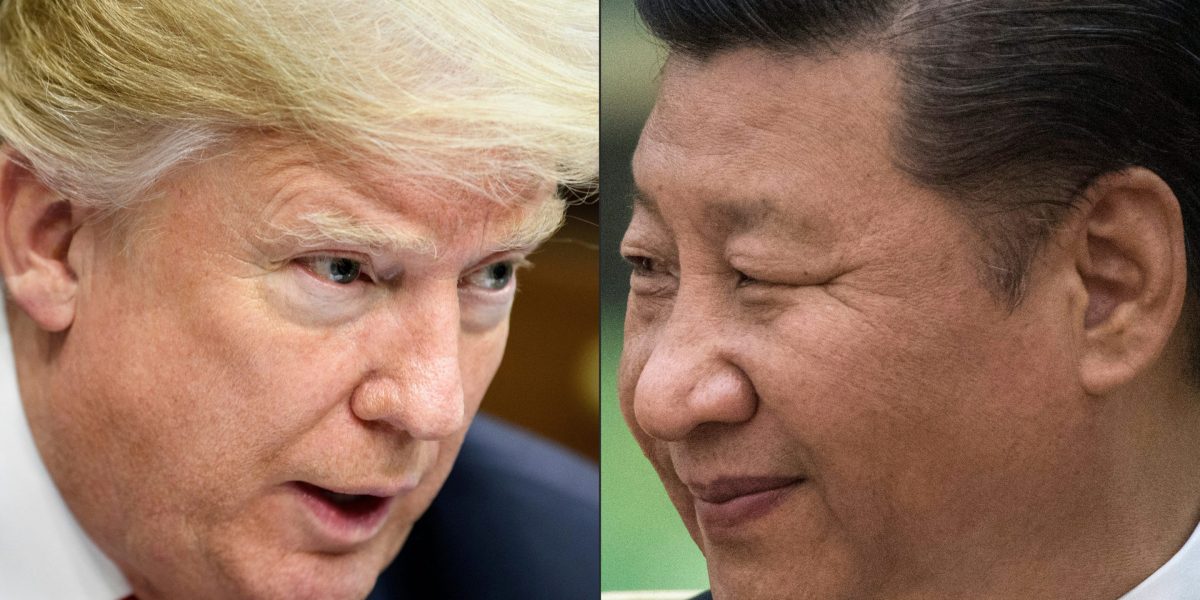
Air Force One will land in Beijing on May 14. President Trump expects to land with leverage in his briefcase. He should think again.
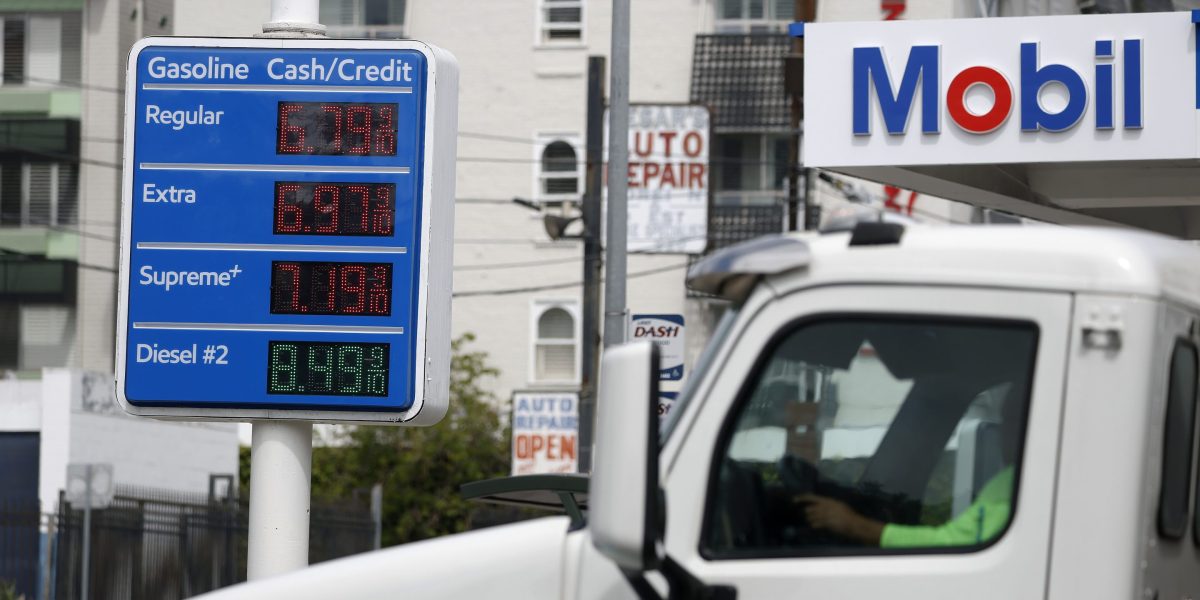
On May 4, U.S. Treasury Secretary Bessent appeared on Fox News to plead with China to help reopen the Strait of Hormuz and relieve pressure on the international oil markets. While Bessent was busying himself on Fox News, China was busy making friends by supplying those in distress with much-needed oil and other commodities.
This story goes back further than the blockade of the Strait of Hormuz. In December 2018, the long arm of Washington reached into Vancouver International Airport to order the arrest of Meng Wanzhou — the CFO of China’s telecommunications giant Huawei and the daughter of its founder — over Iran-sanctions charges. Six months later, Washington put Huawei on its Entity List and cut China off from the U.S. semiconductor supply chain. Beijing snapped to attention. Fearing that Washington could one day choke off other critical resources, Chairman Xi quietly built one of the world’s largest commodity buffers. For example, Beijing amassed a 1.4-billion-barrel strategic crude reserve, roughly 115 days of seaborne imports.
Fast forward to today, China is deploying its stockpile to supply those in distress with much-needed commodities, including oil. Sinopec and Sinochem have been reselling West African crude to refiners across Asia. On the gas side, Chinese majors have resold a record 1.31 million tons of LNG so far this year to the likes of South Korea, Thailand, Japan, Indonesia, and India. Beijing has been lending a hand to its Asian neighbors while the U.S. has been doing the opposite with its blockade of the Strait of Hormuz. The diplomatic dividend is exactly what one would expect: Seoul, Tokyo, and Jakarta have all sent Beijing a thank-you note and pivoted away from Uncle Sam.
When we move away from physical molecules to the realm of diplomacy, Iranian Foreign Minister Abbas Araghchi flew into Beijing on May 6, where he was warmly welcomed by Foreign Minister Wang Yi. That same week, China’s Foreign Ministry openly dismissed Secretary Rubio’s threat of secondary sanctions, calling the U.S. measures illegal unilateral actions that lacked U.N. authorization.
While Washington raises walls, Beijing is opening doors. On May 1, Chinese tariffs on imports from all 53 African countries with which China holds diplomatic relations plunged to zero. Europeans now enter China visa-free. India’s Modi government is fast-tracking minority Chinese investment in seven strategic sectors. China’s DeepSeek AI went open source, giving the world’s developers free access to a frontier Chinese AI model. While Washington is tightening export controls on America’s AI enterprise, China is open for business.
And then there is Beijing’s ace: rare earths. Beijing’s control of neodymium, praseodymium, samarium, europium, gadolinium, and yttrium oxides is virtually total. Every advanced weapons system, every electric drivetrain, every wind turbine, every smartphone in the United States runs through China’s critical materials. To replenish its weapons stockpiles that have been depleted due to America’s proxy war against Russia and its open warfare against Iran, the U.S. Department of Defense now needs Beijing’s permission to restock. The rules of the road are being rewritten, and they are being rewritten in Beijing.
The verdict is in. The Alliance of Democracies’ Democracy Perception Index, which was released on May 8, puts China’s net global perception at +7%. Meanwhile, the international perception of the U.S. has collapsed. Two years ago, it sat comfortably at +22%. Today, it has plunged to a dismal -16%. It is clear that Trump will be tiptoeing through the tulips with Xi and coming home empty-handed.
The opinions expressed in Fortune.com commentary pieces are solely the views of their authors and do not necessarily reflect the opinions and beliefs of Fortune.