




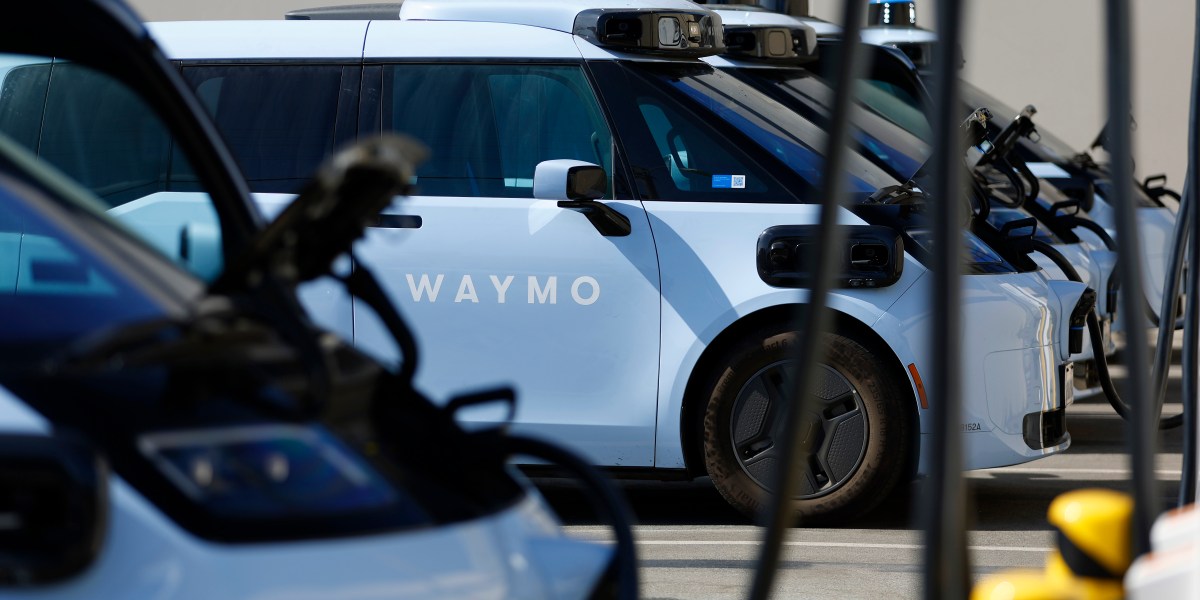
U.S. robotaxi operator Waymo is breaking into a new market. After unveiling roadmaps to bring its self-driving cars to Germany and the United Kingdom, it’s now setting its sights east.
On Sept. 18, Waymo announced plans to launch in Singapore by 2028, marking its first entry into Southeast Asia. The announcement came just days after the robotaxi firm revealed plans to enter its first market in Asia: Japan.
“Singapore has built one of the safest, most efficient and most forward-thinking transportation ecosystems in the world,” said Tekedra Mawakana, Waymo’s co-CEO, in a Sept. 18 press release. “As we begin our journey here, we are committed to listening to the community, creating high-skilled local operational jobs and working…to complement Singapore’s world class public transit network.”
Singapore is already one of the world’s most crowded AV markets. Last September, Chinese robotaxi firms WeRide and Pony AI announced partnerships with ride-hailing platform Grab and transport operator ComfortDelGro to bring self-driving vehicles to the Singapore market. (Both operators are running autonomous shuttle services in Singapore’s Punggol district, which the government has designated as a test bed for physical AI technology.)
Waymo’s all-electric Jaguar I-PACE vehicles are set to arrive in Singapore in the coming months and undergo a training phase in 2027, when autonomous specialists will conduct initial manual driving to train Waymo’s vehicles on local roads and weather patterns.
“Waymo brings world-class technology and operational expertise to Singapore, and will move us towards our vision of creating new transport options for Singaporeans,” Singapore’s transport minister, Jeffrey Siow, said in the Sept. 18 press release.
Last year, Siow remarked that Singapore was undertaking a “really big push” for AVs, which he called a ‘game-changer’ for the local transport ecosystem. “I have no doubt, in five years, we will see many autonomous vehicles in Singapore,” Siow said in an interview with Singaporean broadcaster CNA.
Japan, by contrast, has a barren robotaxi landscape. The country doesn’t yet have fully operational public robotaxis, though Uber, Nissan and UK startup Wayve are set to launch a pilot robotaxi program in Tokyo in late 2026. Waymo’s service, to be launched in partnership with Japanese taxi app operator GO and taxi company Nihon Kotsu, is set to go live in 2027.
“We’ll grow our fleet responsibly over time, steadily operating until anyone in Tokyo can download an app and take a ride,” said Waymo’s Mawakana at a press conference in Japan on Sept. 15. (The need for robotaxis in Japan is especially dire, given the country’s rapidly declining populace.)
Despite the initial excitement, the rapid international expansion of robotaxis has unnerved drivers, who fear losing their jobs. Politicians and executives, however, have largely attempted to assuage such fears.
“There are over 70,000 taxi and private-hire car drivers in Singapore. In contrast, we only have around 20 AVs running around on our roads,” Siow remarked during a parliamentary address in July. “Even if I gathered every AV in the world today and moved them all to Singapore, there would only be about 7,000 cars, or less than 10% of our total taxi and private-hire car population.”