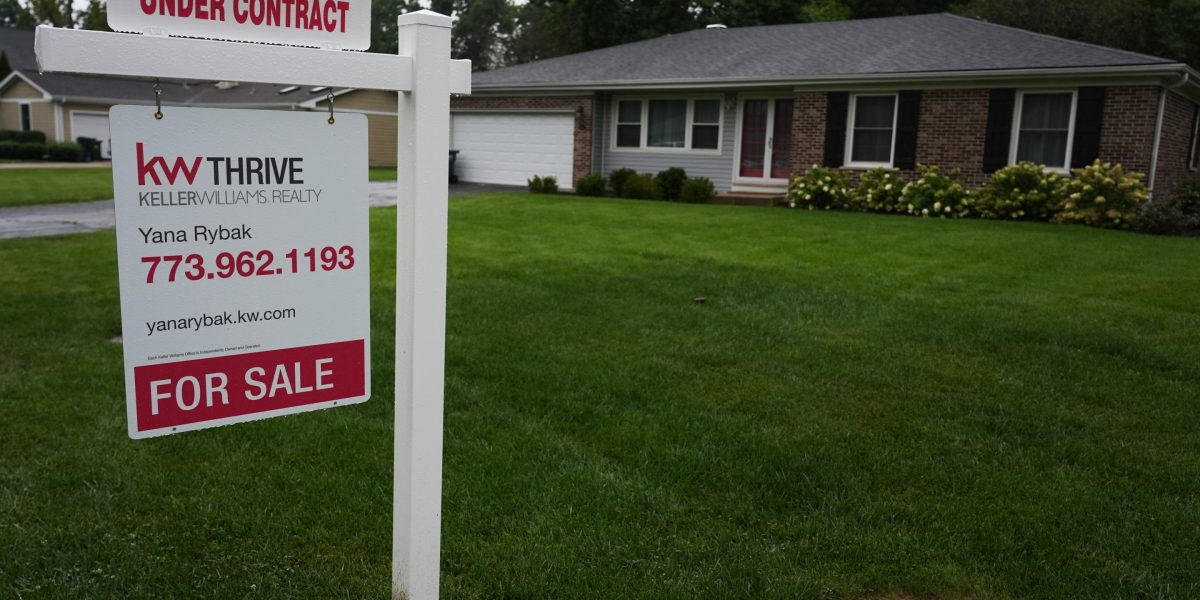




It’s no secret that inflation has become a major challenge for the global economy over the past years. It’s giving rise to increased migration and hitting the job market — people are finding it tougher to afford housing as the cost of living keeps going up.
This makes workers leave areas where housing is too expensive, leaving entire regions struggling to keep their workforce. The situation is creating a vicious cycle, especially in some parts of the United States, where unemployment rates have soared because living costs are simply too high.
Related: The US is in a Housing Crisis — Here’s How We Fix It
Inflation and unemployment: The explosive dynamic
Certain parts of the United States are currently experiencing high inflation, where the cost of necessities, specifically housing, is sky-high. Among the most affected states are Florida, Tennessee and South Carolina, with inflation rates between 3.6% and 4% annually. Inflation in these and other states escalates the cost of essential goods and services and diminishes workers’ purchasing power, making certain regions financially untenable to reside in. For instance, 2023 research showed that Florida residents have been “paying premiums on both the housing price side and on the rental price side,” ranging between 5% and 6%.
This jump in prices can be explained by factors such as increased demand from population influx, limited housing supply, and escalating construction costs. Ironically, the resulting high cost of living is prompting numerous residents to relocate to more affordable areas, leading to labor outflow. This trend is mirrored on a national scale, with the number of people moving between states increasing from nearly 7.9 million in 2021 to approximately 8.2 million in 2022, according to the U.S. Census Bureau. The dynamic continues to reshape the national labor market, intensifying labor shortages in high-cost states.
Some of the most common implications include reduced workforce availability and an economic slowdown. Due to the withdrawal of skilled workers, workforce availability has decreased and businesses and companies struggle to fill various vacancies. This leads to critical skill shortages and decreased productivity within industries that require specialized skills or training.
This shift also creates a barrier for people looking to migrate to affected states for employment purposes, and employment opportunities diminish in these regions. After all, the housing market crisis not only drives existing residents away — it also prevents unemployed individuals from relocating to areas with better job prospects.
Skyrocketing housing costs and a shortage of affordable accommodations make it financially unfeasible for job seekers to move to regions where employment opportunities are plentiful, and even higher wages don’t compensate for the expenses associated with finding accommodation in a new state. A recent report clearly indicates that the USA is facing an acute shortage of affordable housing for people at all levels of income. This barrier exacerbates unemployment rates.
Meanwhile, local economies in the states with extreme inflation suffer from labor shortages and take a hit that creates a ripple effect on entire communities. Reduced tax revenues lead to cuts in essential public services like education, healthcare and infrastructure maintenance. This decline in public amenities makes the affected regions even less attractive to both residents and potential investors, perpetuating the cycle of economic decline and prompting more people to relocate to other areas.
Related: Here’s How Much You Need to Earn to Buy a House in the US: Report
Addressing the housing crisis: The roles of businesses and local governments
To effectively tackle the challenges posed by inflation and labor outflow, we might have to rely on unorthodox solutions that may seem economically counterintuitive but are essential for revitalizing affected regions. One viable approach to combating this challenge is developing affordable housing options.
Some of the strategies that could alleviate the problem include low-rise construction programs, which are most frequently found in suburban and residential areas. This initiative can be strengthened through other incentives. For example, governments can offer tax incentives or subsidies to developers who build affordable housing within these low-rise projects. Or, by advocating for the construction of budget-friendly residential buildings, families may be granted the opportunity to relocate in search of work.
Another effective strategy is to offer financial incentives directly to job seekers willing to relocate to high-unemployment areas. For example, if a candidate accepts a position in such a region, providing housing subsidies or covering a portion of their housing costs for a set period can make the move more financially feasible.
Of course, local governments play a key role in addressing the housing crisis amplified by inflation. They hold the power to promote affordable housing development through policies like community development programs, tax rebates and zoning revisions.
Instigating public-private partnerships may facilitate the construction of affordable housing options as well. By pooling resources and expertise, government entities and private developers can collaboratively address housing shortages. For example, a city might partner with a private company to convert unused municipal buildings into affordable housing units. The government provides the property or offers zoning incentives, while the developer handles the renovation and management.
Adjusting zoning regulations can further help address housing affordability challenges. Modifying zoning laws to permit higher-density housing construction will help cities encourage the development of more affordable housing options. In particular, changing zoning codes to allow for multi-family units or apartment complexes in areas previously restricted to single-family homes can significantly increase the housing supply.
Finally, state governments can work on enhancing the appeal of their region through community development programs to attract new residents and businesses effectively. Investing in local projects, such as improved public services and recreational facilities, spotlights the area’s potential. Developing community centers or upgrading transportation networks are simple examples. These efforts enrich the living experience for current inhabitants and stimulate economic growth by drawing in fresh talent and investment, which helps mitigate the challenges of inflation and labor outflow.
Naturally, the complex nature of inflation on labor outflow requires a multidimensional approach to fix the challenge. By embracing innovative construction projects, offering incentives and implementing supportive policies, regions struggling with inflation and unemployment can turn things around.
Addressing the housing crisis head-on and strategically building affordable housing can keep current residents happy and draw in new ones, helping to stabilize inflation and kickstart economic growth. Voronkov sums it up with a simple yet insightful thought: start building affordable housing today, and you’ll build a stronger economy tomorrow.