


Data center development is slowing down, according to a new report from energy analytics firm Wood Mackenzie. In Q4 2025, developers only added 25 gigawatts of electricity capacity to their project pipeline, half of what was added the previous quarter.
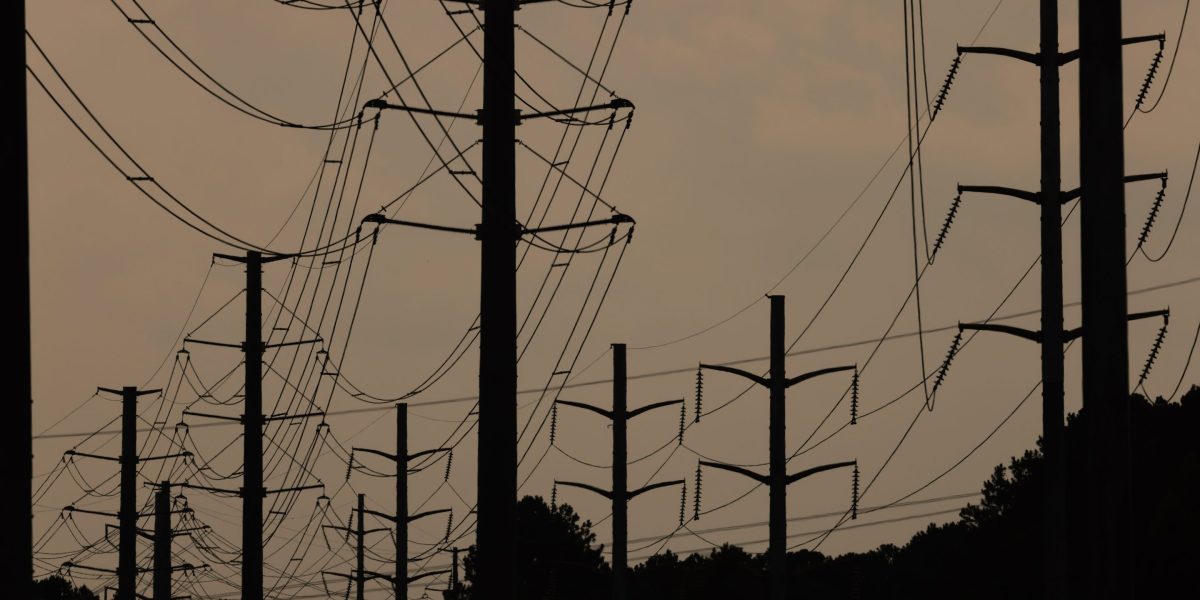
The slowdown is a sign that endless data center growth projections to power AI technology may not materialize. As gas and power companies grapple with the economics of building new power plants or expanding their grids, growth remains limited to how much power is currently available.
“Utilities just don’t necessarily have either the grid capacity or the generating capacity to be able to build it fast enough to accommodate these new large energy demand centers,” Wood Mackenzie analyst Ben Hertz-Shargel told Fortune. The U.S. has not needed to rapidly expand electricity generation in a long time, which makes it difficult to match the pace of tech companies’ ambition, he explained.
This is shifting how companies approach their plans for data centers.
“It’s a bend in the trajectory that we’re now seeing companies realizing that they need to focus on projects at hand, rather than just endlessly adding new ones,” Hertz-Shargel said. At the end of 2025, data centers requiring 241 gigawatts of electricity were in the pipeline, an increase of 159% from the beginning of the year. Still, only a third of projects in the data center pipeline are under active development, and many of the rest will never get built, he said.
Bottleneck could affect investments
Another key risk is the revenue potential of data centers and whether it will justify companies’ push to expand, Hertz-Shargel said.
Alphabet, Amazon, Meta, Microsoft, and Oracle—the five major hyperscalers—are in a race to build out their AI products and create the data center infrastructure to support them. Together, the companies have committed $969 billion, with more than two-thirds ($662 billion) planned for data center-related leases yet to start, according to a Moody’s analysis published last month. Operating cash flows are paying for much of the buildout, but companies have started issuing bonds to cover the shortfall between capital expenditures and free cash flow.
Despite promises from Big Tech companies like Meta and Google to double their capital expenditures (capex) in 2026, Hertz-Shargel and his team found that capex growth from the largest data center developers will decelerate for the first time since 2023 and only match 58% of last year’s growth. This deceleration is partly driven by Google and Meta choosing to power their centers through the grid rather than independent power plants, he said.
One notable exception is cloud infrastructure giant Oracle, which has taken on debt to fund its Stargate data center campuses, powered by behind-the-meter natural gas, or on-site, natural gas. This way, the company can get new data centers online without relying on grid connection and avoid driving up energy prices for surrounding communities.
“There’s been a big push for the data center companies that pay their own way,” Hertz-Shargel said. “They’re helping to finance new power plants, for instance, so that can be one of the ways that gets resolved. But we’re just not seeing it across the US at a scale that would allow utilities to move quickly.”