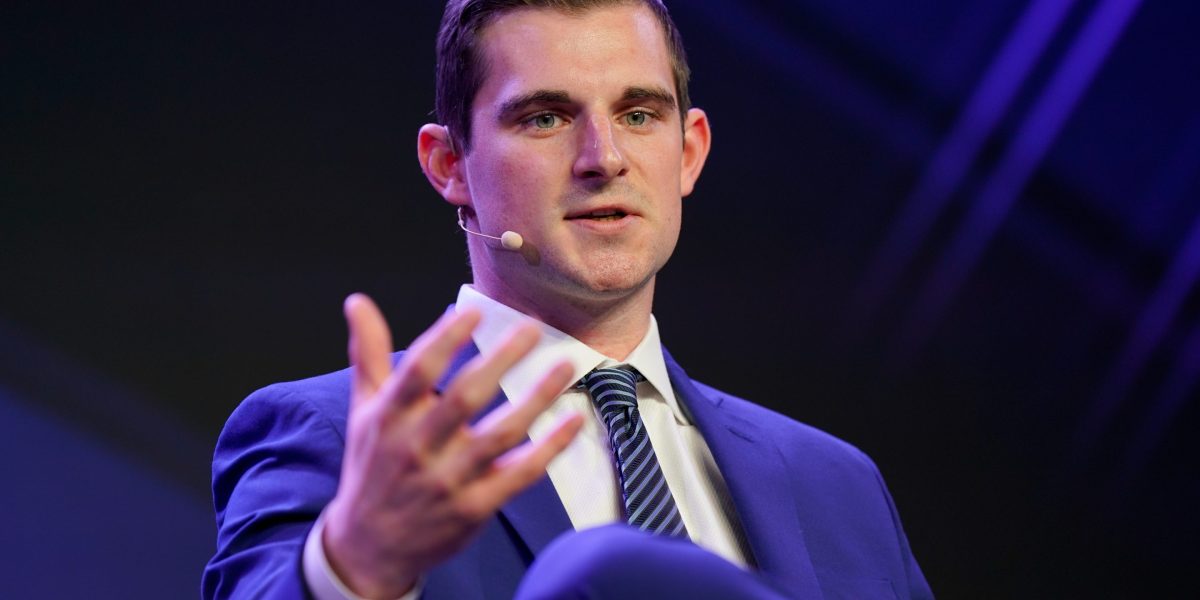



Ryan Johnson is the chief product officer at CallRail, an AI-powered lead engagement platform that serves over 225,000 businesses worldwide.
Customers don’t care if you’re an enterprise business with a global footprint or a mom-and-pop shop down the street. What they care about is whether they can access the products and services they want, when and where they want them. The same applies to getting their questions answered before or after a transaction.
Instant replies and personalization used to be differentiators, especially for small businesses that could provide that level of service. With the rise of AI, however, those experiences are quickly becoming the baseline.
The Always-On Customer
If one brand can help a customer find the information they need after hours using AI, they then expect the next company they interact with to offer the same level of convenience. This reset in expectations is what’s driving the always-on customer.
These customers now expect an answer when the need strikes, whether it’s over the weekend or late at night. Our research highlights this shift in customer behavior. Increasingly, customers are turning to AI for recommendations and moving directly from a question to a phone call.
What once required multiple searches and browser tabs can now happen in seconds. The result is a compressed buyer’s journey. But the shift doesn’t end at conversion. It also extends to the ongoing relationship between customers and businesses.
Zendesk’s latest report reinforces this trend, finding that 74% of customers now expect 24/7 customer service.
5 Ways AI Is Reshaping Customer Expectations
But speed is not the only expectation that has changed. The quality and personalization of each interaction matter just as much. As customers become accustomed to AI, they increasingly expect businesses to recognize their needs and carry over context from one interaction to the next. Here are five ways AI is reshaping their experiences.
‘Meet Me When I’m Ready’
When an emergency strikes, the last thing anyone wants is to wait for their problem to be resolved. After all, if your HVAC went out Saturday morning, you’d likely hope to get someone out that afternoon so you could sleep comfortably that evening.
With AI making the experience from discovery to booking a service near-instantaneous through voice agents, customers expect faster responses when they reach out. Businesses that respond first are better positioned to win the customer and build a longer-term relationship.
‘Keep The Momentum Going’
Beyond faster responses and resolutions, customers want less friction between them and their desired outcomes, whether by text, chat or phone. They don’t want to move from person to person to find the answer they seek. Once engaged, they expect a resolution.
That first interaction matters. Zendesk’s research found that “85% of CX leaders say customers will drop brands over unresolved issues—even on the first contact.”
‘Don’t Make Me Repeat Myself’
Think about the last time you were speaking with an agent and the conversation was cut off. You likely had to repeat yourself to the next agent when you reconnected. As memory-enabled AI becomes more common, customers increasingly expect businesses to retain context across conversations.
Businesses already collect information throughout the customer journey, so customers assume that context will carry over from one interaction to the next. That means using prior conversations and account history to address immediate needs without asking customers to start over.
‘Know What I Want’
Just as customers expect businesses to use prior conversations to solve a problem, they also assume those same insights will help determine what they want without prompting. Market solutions like AI-powered conversation intelligence make it possible to know what customers want.
For example, insights from call transcripts can reveal recurring questions and themes, helping businesses better understand customer needs. Used thoughtfully, those insights can reduce friction across both the customer experience and the buying journey.
‘Use AI, But Tell Me How It’s Used’
Customers today know that businesses use AI to improve operations, and they’re open to it if it significantly improves their customer experience. The caveat is that they want to know how it’s being used.
More specifically, customers want to understand how AI influences decisions, especially when those decisions affect them. A lack of transparency about AI use can be perceived as deception and further erode customer trust and loyalty.
Aligning With 24/7 Expectations
Meeting customers’ elevated expectations today means giving them the fastest path to what they want. In the past, doing so required heavy investment in technology to achieve 24/7 availability and personalization at scale. But AI has lowered barriers, especially for small businesses.
The key is to design customer experiences with the right human-to-AI handoff. While customers don’t mind using AI for tasks like checking an order status, they still prefer to engage a human for high-stakes interactions, such as getting clarity on a refund or updating account information.
A sensible starting point is to let AI handle lower-risk tasks. For example, an AI voice agent can manage after-hours booking and lead capture. From there, businesses can explore more complex use cases while maintaining a clear path to a person when needed. That balance makes it possible to deliver the always-on experience customers increasingly expect.
Forbes Technology Council is an invitation-only community for world-class CIOs, CTOs and technology executives. Do I qualify?