
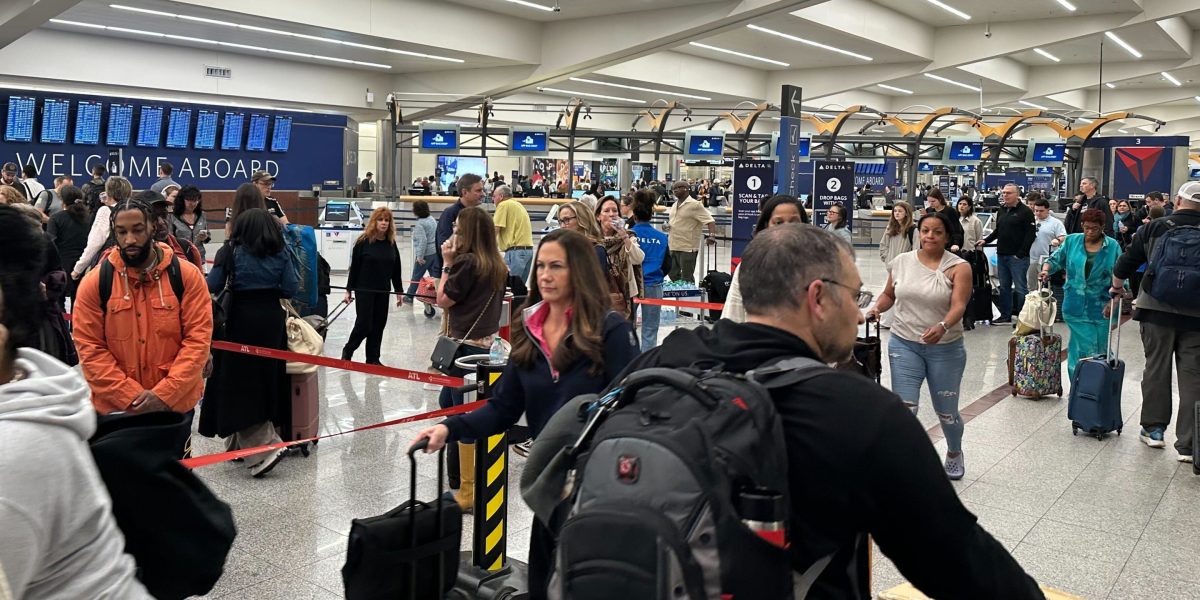




It is an age-old story. Winter storms like the ones the Midwest and Northeast are experiencing now are expected to wreak havoc for travelers and commuters. But winter’s perennial heavy snow, sleet and freezing rain no longer guarantees that Departments of Transportation (DOTs) and travelers are stymied by unsafe conditions. New weather modeling and advanced technology are making it easier for those responsible for roadways to make more informed decisions about the conditions of the road and when or if to treat.
Leveraging Technology for Safer Transport
Since there’s no way to prevent storms, communities are doing their best to manage them. As weather patterns change and municipal budgets tighten, technology will play an increasingly important role in dealing with winter, particularly in low-snow areas.
Climate models are one way DOTs can help prepare for future weather patterns. A region may not be in a snow belt now, but models can predict whether the likelihood of future winter events is likely. With more extreme weather, coupled with natural weather patterns like El Niño and La Niña, hyperlocal forecasts and predictive models are key for garnering critical insights. This can help communities create a comprehensive weather plan including funding truck purchases and stockpiling sand for when a storm hits.
Hyperlocal weather models also can help DOTs adapt on the fly. Knowing when, where and how aggressively a snowstorm is going to hit specific areas within a community helps teams better understand the full impact of a weather event. Additionally, hyperlocal insights help communities do a better job of allocating their resources. Road pavement forecasting, which uses a combination of high-resolution forecasts, road sensors and environmental assessment of temperature influences on specific road sections, can reduce unnecessary treatment and also highlight critical areas to focus on.
My colleague, Ben Hershey, recently presented at the American Meteorological Society’s annual meeting, highlighting how DOTs are leveraging cutting-edge technology to better manage winter road conditions. One key tool is the Maintenance Decision Support System (MDSS), which integrates road weather forecasts, maintenance best practices and real-time data to guide snow and ice treatment strategies. MDSS allows agencies to allocate resources more efficiently, ensuring that plows and deicing materials are deployed at the right time and place.
For example, data related to the weather conditions, road conditions and winter maintenance vehicle actions, such including application rate, type and plow position, can be collected from an automatic vehicle locator and mobile data technology. This information further helps with crew scheduling, tracking chemical or salt usage and vehicle maintenance.
The Growing Impact of Winter Storms
While the evidence for an overall increase in the frequency of winter storms is mixed, there is strong evidence from the Intergovernmental Panel on Climate Change (IPCC) Sixth Assessment Report (AR6) that precipitation intensity is increasing.
In regions that expect heavy snow (for example, the Northeast and Midwest average 3- to 5-foot annual snowfalls) power outages, delayed flights and cancelled events are a part of life. Meanwhile, in areas that rarely get snow, even a minor storm can paralyze a city. In 2014, a storm that dropped only 2.5 inches of snow in Atlanta (which residents now refer to as “Snowmaggedon”) forced children to sleep at schools and some drivers to abandon their cars and walk home. More recently, this January southern states were hit hard with unexpected freezing weather, plunging temperatures in Baton Rouge to their lowest since 1930 and dumping snow on Florida beaches.
These extreme weather events have DOTS in place once deemed safe from winter’s wrath, evaluating solutions like advanced weather forecasting and decision-support technologies to keep roads safe and infrastructure resilient, even in places once deemed safe from winter’s wrath.
Winter storms also can get expensive. Communities that are used to heavy snow devote big chunks of their budgets to buying sand and salt, maintaining trucks, buying fuel, scheduling staff, and paying outside snow removal contractors. Even then, budgeting can be a guessing game. Minneapolis allocates about $13 million a year, but spending can run much higher in a particularly snowy year. Communities also regularly raid their snow removal budgets to cover unforeseen expenses, and an extra storm or two can force officials to scramble to cover costs.
Smarter Solutions for Winter Weather
The winter storm covering the northern half of the U.S. is one of several expected during February. At least two other storms are expected into next week. While we can’t control the winter weather, we can use technology to make smarter, data-driven decisions. By integrating advanced forecasting and decision-support tools, DOTs are taking back control, ensuring safer roads, more efficient responses and better-prepared communities for the storms ahead.