



Look around at the news today, and you’ll see traditional models of leadership breaking down at every level. Geopolitical conflicts are fraught with erratic posturing, college athletics is reeling from the chaos of the transfer portal and NIL deals, and corporate boardrooms are plagued by either toxic micromanagement or conflict-averse passivity.
Too many leaders believe they only have two choices: play the ruthless jerk to get results, or play the passive diplomat and watch standards slip. But in an era of constant crisis, “fake toughness”—ego, fear, and performative hardness—isn’t strength. It’s insecurity.
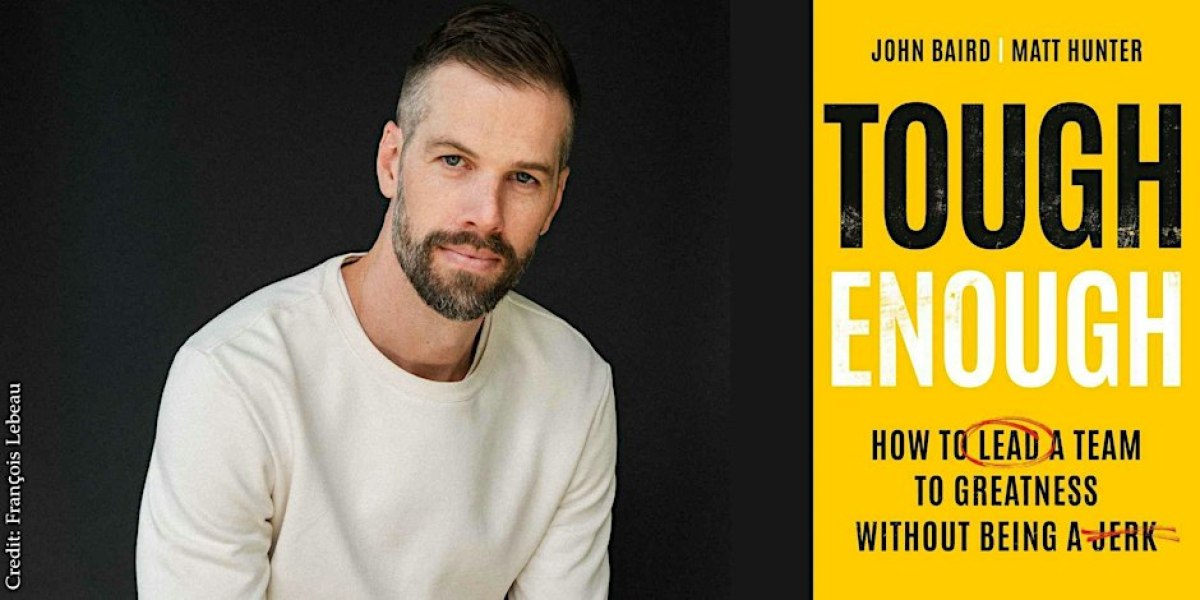
Drawing on our experience as executive coaches to leaders at iconic companies like Apple, Nike, and General Motors, as well as fast-growing unicorns, we’ve learned that great organizations are built by genuinely tough leaders. But true toughness isn’t about bullying or emotional suppression. It’s the psychological capacity to commit to a bold mission, stay strong in yourself, hold high standards, navigate uncomfortable truths, and bring out the best work in others.
Comfort is the quiet enemy of toughness. Being comfortable means staying overly friendly, giving vague praise, sugarcoating hard realities, and giving underperformers “one more quarter.” Toughness means leaning into discomfort—saying “I was wrong,” giving precise feedback the moment standards slip, and making hard people decisions before mediocrity sets in.
Here are a few ways to get started on being tough without sacrificing someone’s humanity; without being a jerk:
Create a compelling narrative that inspires people to believe, belong, and go all in. In times of uncertainty, teams don’t just need targets; they need purpose. A leader’s manifesto defines the standard of excellence and anchors the team when external pressure mounts, turning chaotic effort into collective focus.
- Assemble a Team You Trust to Care
Pull together a team of exceptional people who believe deeply in the mission and your way of working. Tough leaders don’t compromise on talent or cultural alignment. They hire people who welcome high expectations, align on core values, and thrive in an environment of mutual accountability.
- Use Emotions Strategically
Share emotion constructively to unlock greater performance and move people into action. Suppressing emotion creates coldness and stagnation, while exploding emotion onto your team can turn abusive and perpetuates anxiety and fear. Real toughness here means regulating your own state so you can channel passion, urgency, and intensity into constructive energy that changes behavior when it’s needed and fuels the mission.
- Address Mistakes Honestly & Quickly
Champion honesty, rigorous debate, and reality so your team can make better decisions faster. Fake toughness creates an environment of posturing where people aren’t fully honest and hide mistakes. True toughness creates a culture where team members can challenge assumptions, admit errors early, and deliver unfiltered feedback without fear of retaliation.
- Make Accountability a Non-negotiable
Design a unique system of accountability that makes progress inevitable. High standards mean nothing without clear execution systems. By setting explicit expectations, having clear owners for each goal, tracking progress, giving regular feedback, and enacting consequences when the work stays off track, progress stops relying on periodic nagging and becomes built into the daily rhythm.
“Toughness” isn’t a trait you’re born with; it’s an operating system you build. These seven habits start with how you lead yourself and extend outward to how you lead others.
By moving past the false choice between being “nice” and being “ruthless,” you can drive extraordinary performance while building a culture people are proud to be a part of.
The opinions expressed in Fortune.com commentary pieces are solely the views of their authors and do not necessarily reflect the opinions and beliefs of Fortune.