


The U.S. may continue to “obliterate” Iran militarily over the coming weeks—as President Trump repeatedly threatens—but Iran’s likelihood of maintaining some control over energy flows through the Strait of Hormuz chokepoint increases daily and could ultimately equate to a “major victory” in the war.
That potential win for Iran, and for its allies Russia and China, would result in higher oil and gas prices—and greater inflation—longer term, leaving the world notably worse off than before the U.S. and Israel initiated the war, energy and geopolitical experts told Fortune.
“Seizing the strait and controlling traffic through it—even if that control is imperfect—is a major victory for a regime that has no other successes to celebrate besides survival,” said Matt Reed, vice president of geopolitical and energy consultancy Foreign Reports. “Iran is confident that it will exert some control, and it will insist on collecting tolls to legitimize its role and pay for post-war reconstruction.”
The alternatives are the U.S. intensifying the military pressure—including by putting troops on the ground—or the current stalemate dragging on for longer. Trump has said attacks will escalate for two or three weeks, but he’s also telling other countries that they should get their own oil and that the U.S. doesn’t need to control the strait.
Iran already is picking winners and losers from an energy standpoint, allowing a trickle of shipments to trek to China, Vietnam, Malaysia, and the Philippines—a group that includes the neediest Asian nations—but these shipments are being individually negotiated. Overall vessel traffic from the Persian Gulf in March plunged to just 5% of February levels, according to S&P Global Commodities at Sea, and volumes have increased only slightly in April thus far.
“Economies around the world will break if this drags on too long. Cracks are already starting to show,” Reed said. “Everyone loses if Iran retains control of the strait much longer, because oil and other prices will climb to intolerable levels.” The only way to avoid that outcome, he said, is if either an outright U.S. victory or peace deal with Iran is achieved relatively soon.
Evolving traffic flows
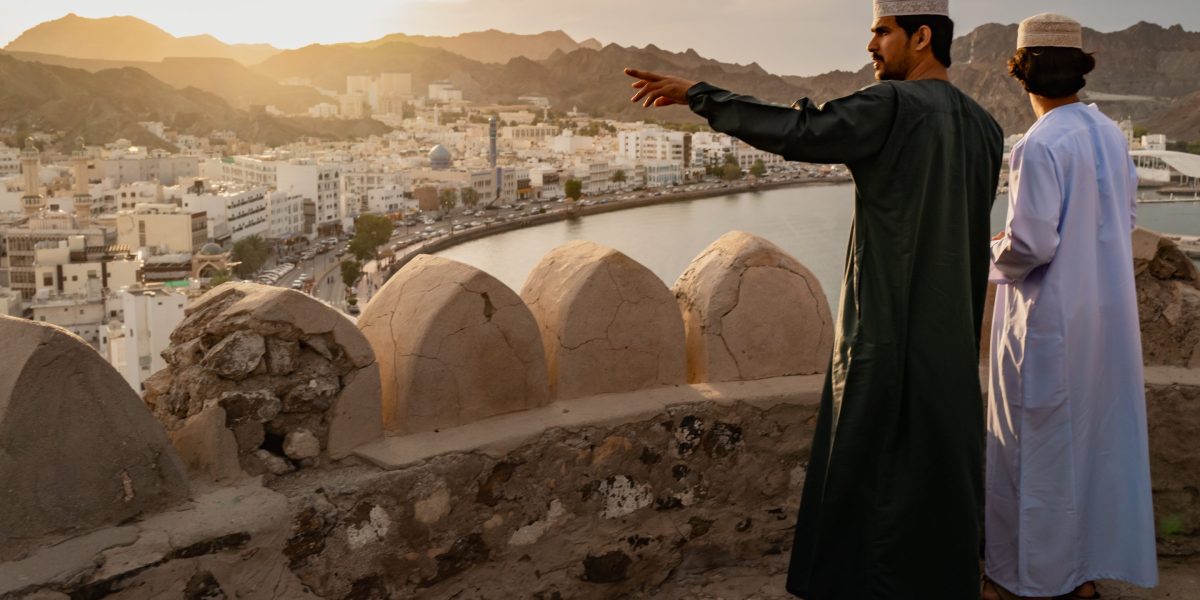
Most of the fortunate few tankers exiting the strait are taking a route close to the Iranian shoreline, after paying tolls of up to $2 million per vessel. A small handful began moving through closer to the Omani coast on April 2, potentially offering a small hike in traffic. But close to 400 large oil and gas tankers remain stranded in the Gulf—not even counting smaller vessels and container ships, said Rohit Rathod, senior analyst with the Vortexa cargo tracking firm.
About 135 vessels typically pass through the strait each day—carrying close to 20% of the world’s oil, liquefied natural gas, agricultural fertilizer, and petrochemicals. The transits are now in the single digits each day, Rathod said. Prices for oil future benchmarks sit near $110 per barrel, with many physical, spot barrels selling above $140.
“If [nations and shippers] want to have their vessels go through unmolested, they’ll have to have some sort of channel of communication with the Iranians,” Rathod said. “And I think [Iran] will still try to cause trouble with some of the Western-affiliated tankers carrying cargoes going to the U.S. or Europe.”
In the meantime, Russia is selling more of its oil at much higher prices than before the war, gaining a windfall. China, which imports more oil from the Middle East than anyone, is secure for now because of its world-leading reserve stockpiles. The developing Asian countries have suffered the most from supply shocks, and now Europe is seeing increasing signs of energy shortages. The average price of retail gasoline has risen above $4.10 per gallon in the U.S., but that’s cheap relative to the rest of the world.
Even in the best-case scenario of a truce or peace deal soon, experts said, traffic flows won’t return to normalcy before mid-summer. And that flow won’t replace the hundreds of millions of barrels lost in the interim. Prices could remain elevated for years.
For now, the military conflict is escalating. A U.S. fighter jet was shot down April 3; in Kuwait, Iranian drone attacks damaged an oil refinery, a water desalination plant, and a power plant. An estimated 3,000 people have been killed to date in Iran and from Israel’s attacks in Lebanon, where it is targeting Hezbollah, the Iran-allied militia.
“Even if the war were to end today, there will be a state of permanence to this mess until Iran has won some concessions from all of its neighbors individually,” said Samir Madani, cofounder of TankerTrackers.com. He argued that a broader peace deal is unlikely because of “individual grievances” with each neighbor—Saudi Arabia, the United Arab Emirates, Qatar, Kuwait, Iraq, and Bahrain.
“They will want to apply pressure on those countries to end their relationships with the U.S.,” Madani said.
Rhetoric and reality
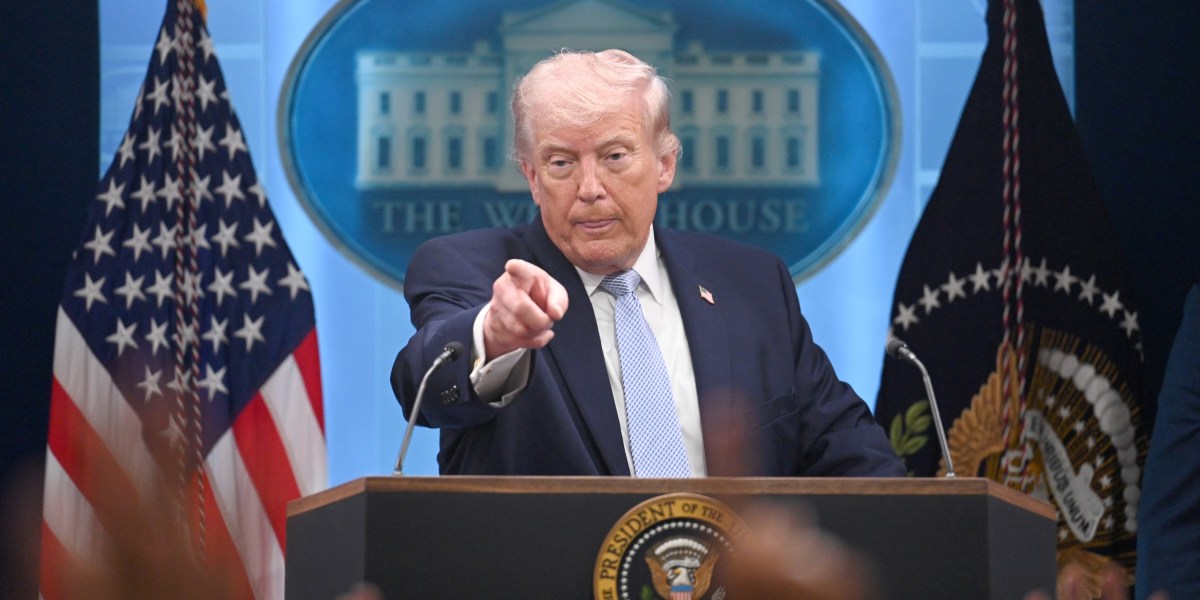
Trump’s primetime speech April 1 offered little clarity as he vowed to wind down the operations after “two or three weeks” of bombing Iran “back to the Stone Ages where they belong.”
Simultaneously, he said other countries must “go to the strait and just take it,” arguing that “when this conflict is over, the strait will open up naturally.”
Unsurprisingly, oil prices rose as he spoke. “That seems optimistic,” a Piper Sandler analyst note retorted the next morning. “The best explanation is likely this: Trump doesn’t know what he is going to do.”
Trump has set an already postponed deadline of April 6 for Iran to either make a peace deal or have its energy infrastructure bombed.
Indeed, Trump’s inconsistency has continued via social media since his speech. After saying the U.S. didn’t need to seize the strait, he posted April 3, “With a little more time, we can easily OPEN THE HORMUZ STRAIT, TAKE THE OIL, & MAKE A FORTUNE.”
The premise of leaving control of the strait up to U.S. allies and Iran to work out is a “really bad idea,” said oil forecaster Dan Pickering, founder of the Pickering Energy Partners consulting and research firm.
“The ripple effects of Iran in control of the Strait of Hormuz are really bad,” Pickering said.
If the U.S. withdraws and Iran maintains some control, then there likely would be a “period of relative quiet” during which prices come down, Pickering said. But they would almost certainly remain elevated from their February levels because of higher geopolitical tensions, supply chains woes, and higher risk premiums for tanker insurance, he said.
This state of affairs would create an untenable balance, with Israel and all of Iran’s Gulf neighbors upset about the U.S. having ceded any control to Iran, and facing a threat of extortion from the Iranian regime. And it would only be a matter of time before Iran or its proxy allies, the Houthis or Hezbollah, act out again, Pickering said.
“We’re likely to have structurally higher oil prices for the next two to five years,” Pickering said. “I think Iran wins in that situation. I think the losers are global consumers because prices will be higher.”