

Close Menu
Alpha Leaders
  • Home
  • News
  • Leadership
  • Entrepreneurs
  • Business
  • Living
  • Innovation
  • More
    • Money & Finance
    • Web Stories
    • Global
    • Press Release
What's On
Goldman strategist warns stocks are flashing same warning signs as before the 2008 financial crisis

Goldman strategist warns stocks are flashing same warning signs as before the 2008 financial crisis

4 March 2026
Trump promised lower drug prices. Here’s how Congress virtually guaranteed the opposite

Trump promised lower drug prices. Here’s how Congress virtually guaranteed the opposite

4 March 2026
Cyclops raises  million to build stablecoin infrastructure for payments companies

Cyclops raises $8 million to build stablecoin infrastructure for payments companies

4 March 2026
Facebook X (Twitter) Instagram
Alpha Leaders
newsletter
  • Home
  • News
  • Leadership
  • Entrepreneurs
  • Business
  • Living
  • Innovation
  • More
    • Money & Finance
    • Web Stories
    • Global
    • Press Release
Alpha Leaders
Home » Trump promised lower drug prices. Here’s how Congress virtually guaranteed the opposite
News

Trump promised lower drug prices. Here’s how Congress virtually guaranteed the opposite

Press RoomBy Press Room4 March 20264 Mins Read
Facebook Twitter Copy Link Pinterest LinkedIn Tumblr Email WhatsApp
Trump promised lower drug prices. Here’s how Congress virtually guaranteed the opposite

President Trump has repeatedly promised to bring down prescription drug prices. His Republican Congress says it shares that goal. But tucked inside the recently passed 2026 Consolidated Appropriations Act is a restructuring of the drug market that makes lower prices less likely, not more.

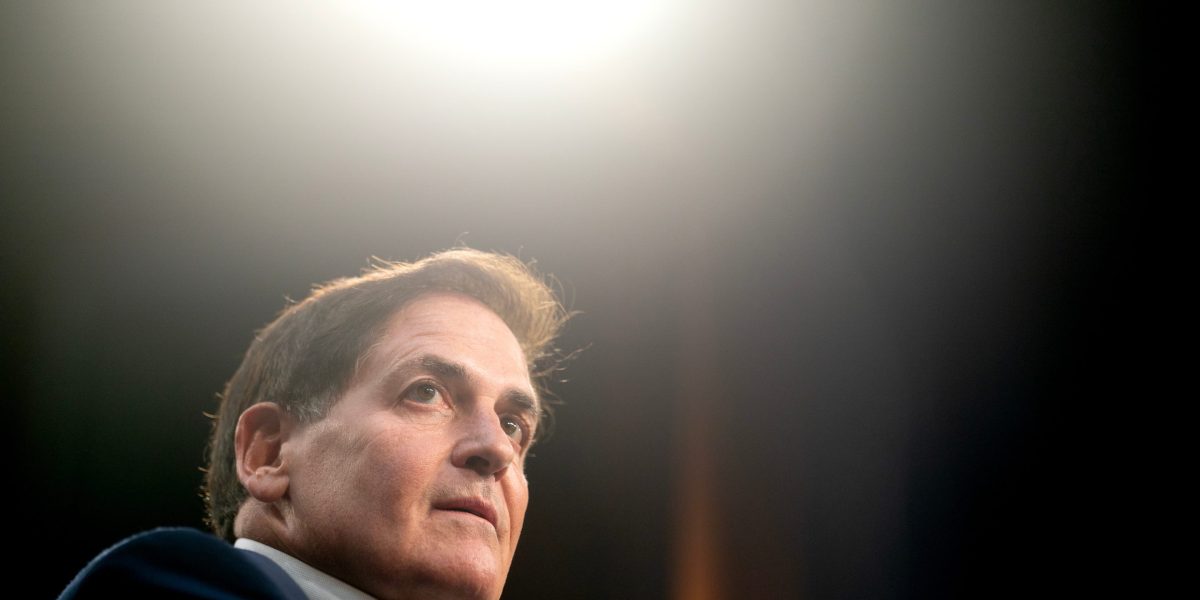
How does a Congress that promises lower prices end up weakening the bargaining tools that restrain them? The answer lies less in ideology than in political incentives. Pharmacy benefit managers (PBMs) are opaque intermediaries—and they are unpopular with figures including Mark Cuban, who told Fortune that the current rebate system is flawed.

The law transforms PBMs from hard-bargaining negotiators into micromanaged administrators and weaken the tools they use to discipline drug prices. Targeting PBMs is easier than confronting the suppliers who ultimately set prices. But in markets where prices are negotiated, weakening the intermediary often strengthens the firms on the other side of the table. Here’s how we got here.

Decades of growing leverage

For decades, PBMs have relied on two key mechanisms to reduce drug costs. It’s no accident that drug manufacturers—and independent pharmacies—have spent years trying to shift political attention towards PBMs. Hard bargaining works.

The first mechanism that PBMs use is formulary leverage. Drug manufacturers that want preferred formulary placement—or to avoid exclusion from coverage—must offer better prices. That leverage for PBMs depends on a credible threat: lower your price or lose access to patients.

The law “delinks” PBM compensation from manufacturer rebates in Medicare and requires flat administrative fees, certified at fair market value. It also mandates that rebates be passed through to health plan sponsors in the employer-sponsored market. This sounds appealing, but incentives matter. When compensation no longer depends on securing better terms, bargaining effort becomes a cost center rather than a profit center. PBMs will still compete for contracts, but competition on administrative fees isn’t the same as competition on aggressive price concessions and won’t lower drug prices.

The second tool for PBMs operates downstream. By encouraging patients to use more efficient, lower-cost pharmacies, PBMs have reduced dispensing costs, enhanced patient quality, and reinforced their negotiating leverage upstream. The ability to direct volume toward lower-cost, high-value providers creates bargaining power.

The statute expands “any willing pharmacy” requirements, limiting that ability. In virtually every sector, purchasers obtain lower prices by steering volume toward lower-cost providers. When every provider must be included on standardized terms, bargaining power diminishes and costs tend to rise. Broader inclusion may feel consumer-friendly, but in negotiated markets it often shifts costs rather than reduces them.

To be sure, neither tool is costless. Formulary exclusions can inconvenience some patients, and encouraging patients to use lower-cost pharmacies can mean switching where they fill their prescriptions. But every healthcare system faces a choice: tolerate some limits or accept higher prices across the board. Negotiation requires leverage, and leverage requires the ability to say no—and to reward lower-cost drugs and providers with more business.

The irony is that Congress is weakening cost-control tools in the name of combating high drug costs.

Seniors on Medicare will pay the price

For decades, reformers have tried to move American health care away from cost-plus reimbursement and open-ended fee-for-service medicine toward competition, in which private plans negotiate hard and shift business to those offering better value. The new PBM regime would move in the opposite direction: toward regulatory supervision, standardized participation, and reduced discretion.

All participants in the prescription drug supply chain deserve scrutiny, but weakening the mechanisms that extract price concessions will not lower drug spending. The more likely outcomes are gains for drug companies and less efficient pharmacies, and higher drug costs. Effects will be especially felt by seniors on Medicare and by smaller employers that lack the leverage to offset the law’s new constraints.

If lawmakers want lower drug prices, they should strengthen competitive pressure, not regulate it into passivity. The politics are easy to understand. Attacking middlemen polls well. It allows lawmakers to appear tough on prices without directly confronting manufacturers. But the economics are less forgiving. Lower drug prices require bargaining power. Congress has just reduced it. Patients and taxpayers will bear the cost.

The opinions expressed in Fortune.com commentary pieces are solely the views of their authors and do not necessarily reflect the opinions and beliefs of Fortune.

Congress Donald Trump drugs
Share. Facebook Twitter Pinterest LinkedIn Tumblr Email Copy Link

Related Articles

Goldman strategist warns stocks are flashing same warning signs as before the 2008 financial crisis

Goldman strategist warns stocks are flashing same warning signs as before the 2008 financial crisis

4 March 2026
Cyclops raises  million to build stablecoin infrastructure for payments companies

Cyclops raises $8 million to build stablecoin infrastructure for payments companies

4 March 2026
The French AI startup gunning for Workday, Oracle, and SAP

The French AI startup gunning for Workday, Oracle, and SAP

4 March 2026
Investor Vinod Khosla predicts free AI labor will lead to an era of few jobs and great abundance

Investor Vinod Khosla predicts free AI labor will lead to an era of few jobs and great abundance

4 March 2026
OpenAI investor Vinod Khosla predicts today’s five year olds won’t need to get jobs thanks to AI

OpenAI investor Vinod Khosla predicts today’s five year olds won’t need to get jobs thanks to AI

4 March 2026
Legal AI is splitting in two—and most people miss the difference

Legal AI is splitting in two—and most people miss the difference

4 March 2026
Don't Miss
Unwrap Christmas Sustainably: How To Handle Gifts You Don’t Want

Unwrap Christmas Sustainably: How To Handle Gifts You Don’t Want

By Press Room27 December 2024

Every year, millions of people unwrap Christmas gifts that they do not love, need, or…

Walmart dominated, while Target spiraled: the winners and losers of retail in 2024

Walmart dominated, while Target spiraled: the winners and losers of retail in 2024

30 December 2024
Moltbook is the talk of Silicon Valley. But the furor is eerily reminiscent of a 2017 Facebook research experiment

Moltbook is the talk of Silicon Valley. But the furor is eerily reminiscent of a 2017 Facebook research experiment

6 February 2026
Stay In Touch
  • Facebook
  • Twitter
  • Pinterest
  • Instagram
  • YouTube
  • Vimeo
Latest Articles
Investor Vinod Khosla predicts free AI labor will lead to an era of few jobs and great abundance

Investor Vinod Khosla predicts free AI labor will lead to an era of few jobs and great abundance

4 March 20261 Views
OpenAI investor Vinod Khosla predicts today’s five year olds won’t need to get jobs thanks to AI

OpenAI investor Vinod Khosla predicts today’s five year olds won’t need to get jobs thanks to AI

4 March 20261 Views
Legal AI is splitting in two—and most people miss the difference

Legal AI is splitting in two—and most people miss the difference

4 March 20261 Views
Bernie Sanders’ billionaire tax would soak about 900 people to fund ,000 checks for the middle class

Bernie Sanders’ billionaire tax would soak about 900 people to fund $3,000 checks for the middle class

4 March 20260 Views
About Us
About Us

Alpha Leaders is your one-stop website for the latest Entrepreneurs and Leaders news and updates, follow us now to get the news that matters to you.

Facebook X (Twitter) Pinterest YouTube WhatsApp
Our Picks
Goldman strategist warns stocks are flashing same warning signs as before the 2008 financial crisis

Goldman strategist warns stocks are flashing same warning signs as before the 2008 financial crisis

4 March 2026
Trump promised lower drug prices. Here’s how Congress virtually guaranteed the opposite

Trump promised lower drug prices. Here’s how Congress virtually guaranteed the opposite

4 March 2026
Cyclops raises  million to build stablecoin infrastructure for payments companies

Cyclops raises $8 million to build stablecoin infrastructure for payments companies

4 March 2026
Most Popular
The French AI startup gunning for Workday, Oracle, and SAP

The French AI startup gunning for Workday, Oracle, and SAP

4 March 20262 Views
Investor Vinod Khosla predicts free AI labor will lead to an era of few jobs and great abundance

Investor Vinod Khosla predicts free AI labor will lead to an era of few jobs and great abundance

4 March 20261 Views
OpenAI investor Vinod Khosla predicts today’s five year olds won’t need to get jobs thanks to AI

OpenAI investor Vinod Khosla predicts today’s five year olds won’t need to get jobs thanks to AI

4 March 20261 Views
© 2026 Alpha Leaders. All Rights Reserved.
  • Privacy Policy
  • Terms of use
  • Advertise
  • Contact

Type above and press Enter to search. Press Esc to cancel.