

The Pentagon, which started making capital commitments to U.S. venture capital funds around three years ago, has begun making new allocations to funds that invest in “critical” technologies it deems important to national security.
The Department of Defense, via the Office of Strategic Capital and the Small Business Administration, committed $150 million to Mare Liberum, a maritime technology-focused venture fund founded three years ago, for its second investment fund, Fortune has learned. The capital was committed in Sep. 2025.
The Pentagon announced its first 13 commitments in late 2024, and a few months later, shortly before President Trump’s Inauguration, published a list of 17 funds that had been added to the program in early 2025, including America’s Frontier Fund, which is backed by Eric Schmidt and Peter Thiel. The Department of Defense has since gone quiet on the program, however, not announcing any further commitments. The Department of Defense appears to have made five other VC fund commitments since 2025, though Fortune was not able to learn the details of the investments.
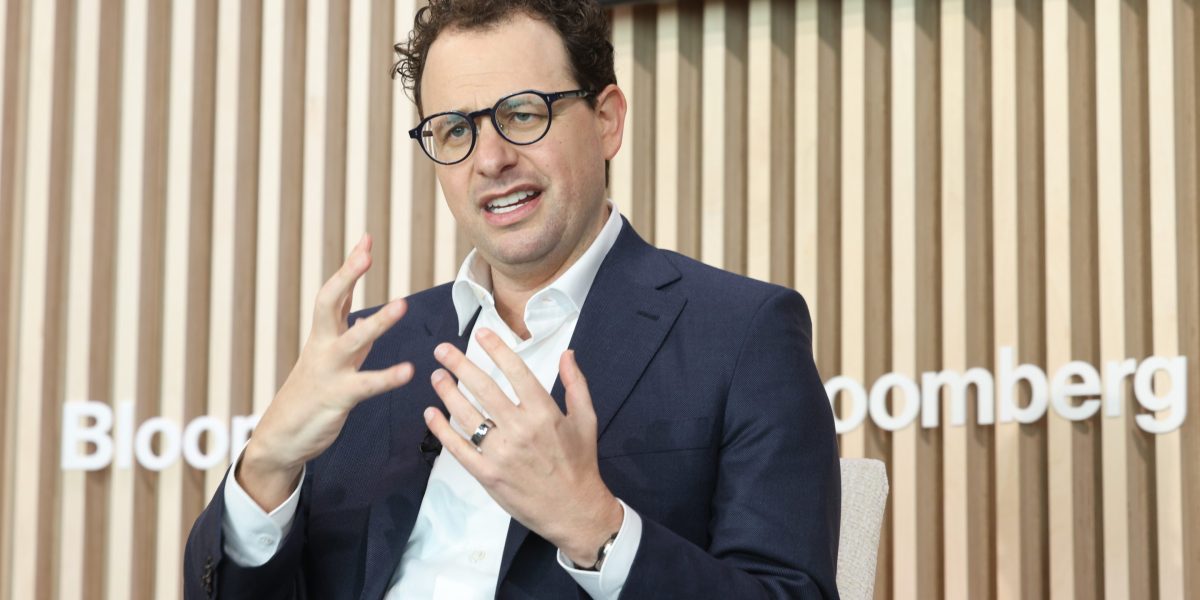
“The process was extremely onerous,” says Erik Bethel, a general partner at Mare Liberum, who says the vetting process took about 10 months, and that Mare Liberum underwent reference checks, rigorous due diligence, and spent more than “six figures of legal” bills to become one of 23 firms to be selected by the Office of Strategic Capital. More than 386 firms have applied for the program since it launched, according to a memo the firm put together that was shared with Fortune. The Office of Strategic Capital did not respond to Fortune’s request for comment about the loan.
The deal is structured as an up to $150 million loan, where interest accrues but isn’t paid back for 10 years. The capital from the Pentagon is meant to serve as an anchor investment, but is contingent on the fund raising another $120 million from private limited partners. In the Pentagon’s first cohort of loans, capital went to firms that invested in biotechnology, quantum science, space tech, and renewable energy generation and storage, among other sectors.
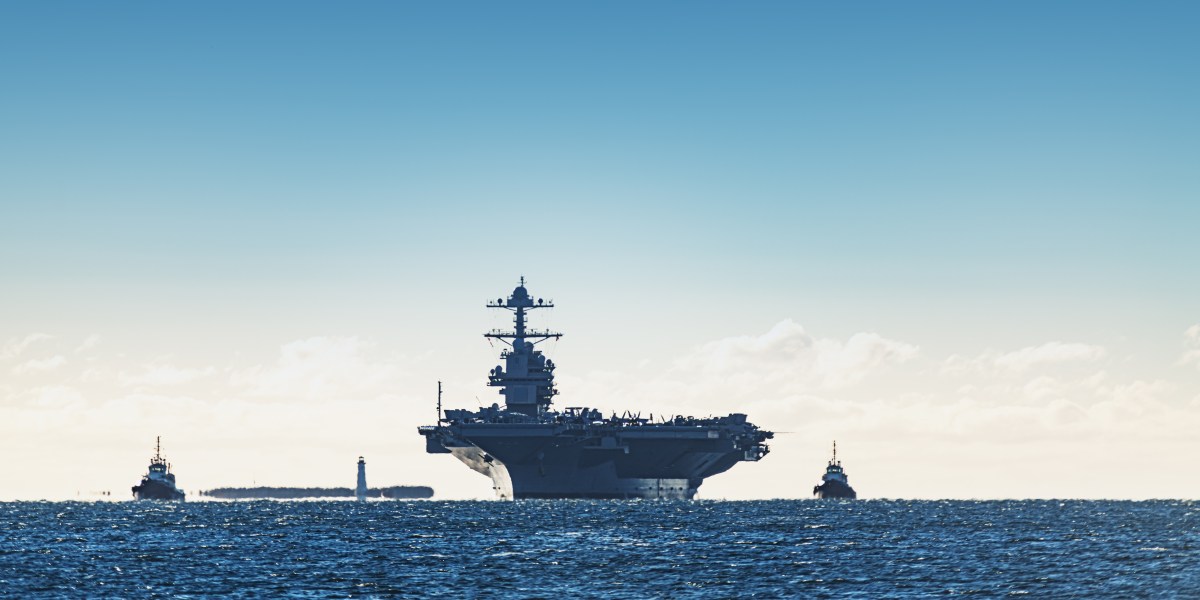
Mare Liberum is focused particularly on maritime technology, where its partners say global supply chains are evolving and unmanned systems are changing the landscape.
“Over the last 20 years, we’ve seen this incredible convergence of compute, now artificial intelligence,” says Rear Admiral Lorin Selby, who had served as Chief of Naval Research for the Navy before retiring and joining the fund, and said that he saw a dire need to apply these new compute and AI technologies to the defense sector.
The fund has backed five companies thus far, including Regent Craft, a seaglider startup, and Epirus, a counter-drone company.
Under the Trump Administration, the Department of Defense has become much more vocal about the importance of investments in defense technology. It has also sometimes become combative with some of the companies it has contracted with. Last week, President Trump announced via Truth Social that federal agencies must stop working with the LLM company Anthropic, and Secretary of War Pete Hegseth later tweeted that he was directing the Pentagon to designate Anthropic a “supply-chain risk.”
When asked about the potential fallout of this on the sector, Rear Admiral Selby said he hopes the tech industry won’t revert back to old tendencies and stop working with the Department of Defense, as Google famously did back in 2019. “I hope cooler heads can prevail, that we can get the politically-charged nature out of the discussion, and talk about what is best for this nation, and how do we adopt the technologies to allow us to succeed in this race against China. That’s what I think it’s going to come down to,” he said.