

For nearly a year and a half, the crypto industry has been pressing for legislation known as the CLARITY Act, which would provide a predictable regulatory framework for digital assets. Until this week, industry leaders had high hopes the bill was on the cusp of passing, following a series of hard-won compromises with the banking lobby and other crypto skeptics. Then, on Thursday, the goalposts moved again.
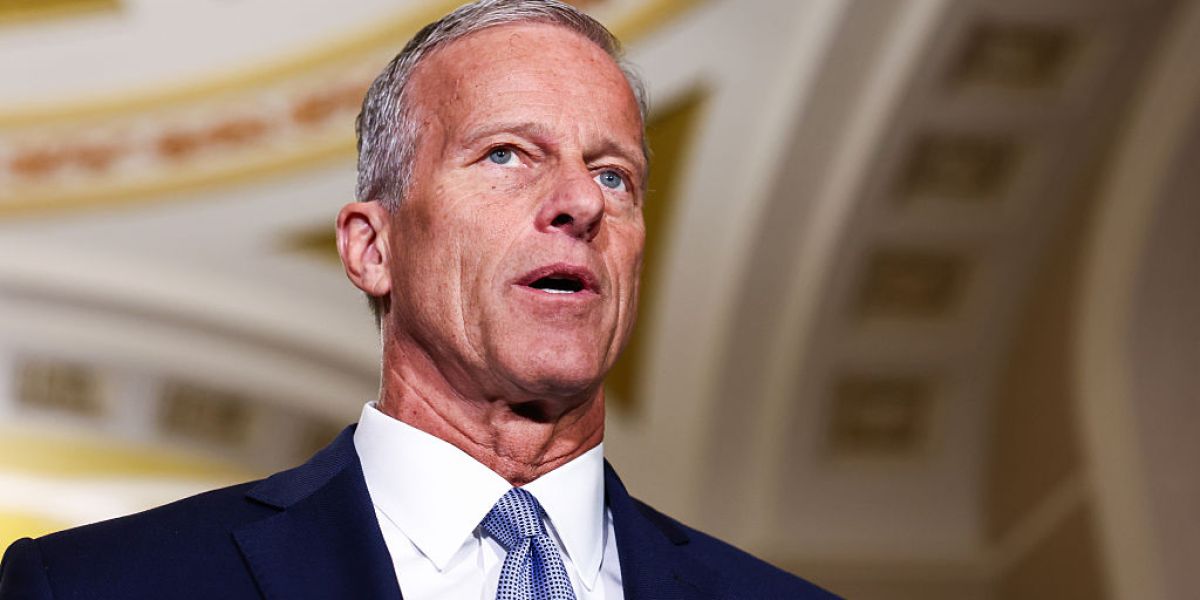
In a move that caught many in the crypto industry by surprise, Senate Majority Leader John Thune (R-ND), told reporters that he did not expect the Senate to pass the bill before the body adjourns for its August recess. While there is still time for the Senate to pass the legislation prior to early January, when the current Congress will conclude its term, the politics surrounding the impending mid-term elections could doom its chances.
Prediction markets suggest most are pessimistic about the CLARITY Act’s chances of passing this year. On Friday, the odds of this on Polymarket stood around 37%, which is far lower than early this summer, and moments this spring when the odds climbed over 80%.
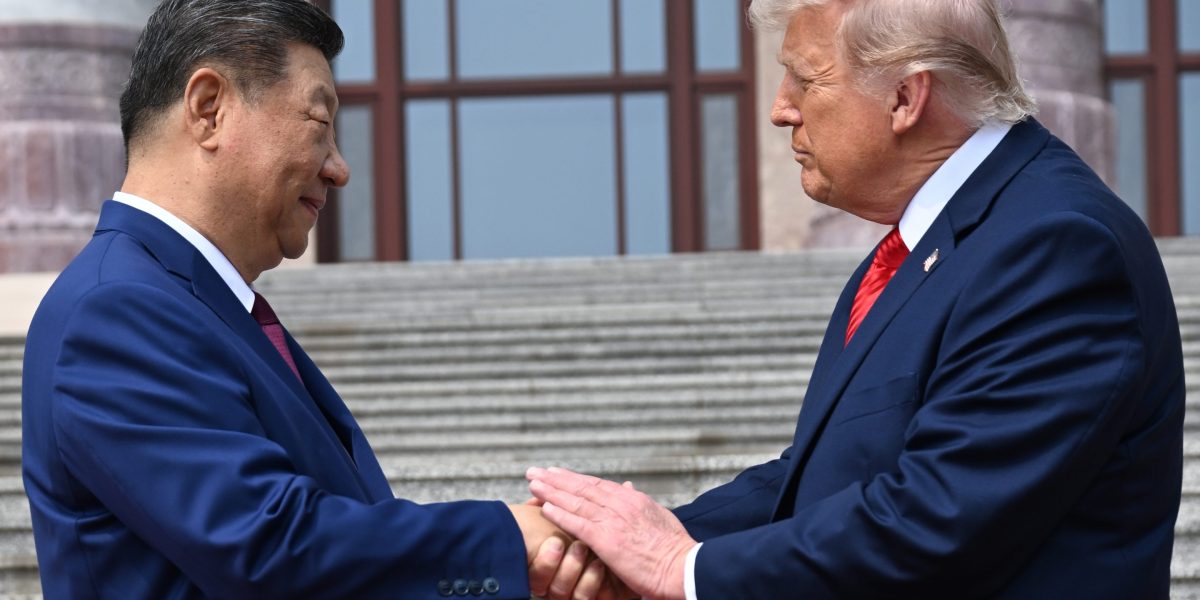
There is bipartisan support for the core elements of the CLARITY Act, which would place blockchain and digital tokens firmly in the realm of mainstream finance. But the issue of President Donald Trump’s crypto connections—which have helped the first family rake in over $2 billion from the sale of memecoins and other crypto deals—has bogged down the legislative process.
In response, Democrats have sought to bring attention to to what they view as a blatant conflict of interest on the part of Trump, and are demanding the CLARITY Act include ethical provisions to limit such deals. Such a provision initially seemed to be a non-starter among Republicans after Trump signalled his total opposition. But in the last week, the Republicans’ position appeared to shift, leading to a new draft of the bill with provisions to stop elected officials from profiting from crypto—though skeptics pointed out that the provisions appeared to contain significant loopholes.
The precise wording of the bill, including the ethics provision, is still evolving but, for now, the formal legislative process is on ice.
According to Ron Hammond, the head of Policy and Advocacy at the crypto firm Wintermute, the CLARITY Act’s path forward is now further complicated by a recent directive from Senate Minority Leader Chuck Schumer (D-NY). The directive instructed his party to focus their mid-term messaging around President Trump and alleged corruption, which will make Democrats reluctant to support the crypto bill.
Hammond, a longtime veteran of crypto politics in Washington, DC, added that the delay announced this week by Thune also reflected a successful strategy by banks and other crypto opponents to drag out the CLARITY Act debate and stall its passage. Nonetheless, he remained somewhat optimistic.
“The votes are there, but the election politics are louder. The latter will dissipate after November and that’s a narrow but very possible window,” said Hammond.
While the outgoing Congress typically passes a series of bills prior to ending its term in early January, there are a series of major legislative issues related to government funding and defense that have yet to be addressed. This could result in the crypto industry’s pet bill getting squeezed out by competing priorities.
Following November’s elections, the political landscape for crypto could shift significantly as Democrats could be in position to retake the House of Representatives and make gains in the Senate.