

A striking new story is taking shape in corporate America. Some of the most recognizable Fortune 500 CEOs are stepping down as AI becomes a defining question about what kind of executive is best suited to lead the next phase of the business.
That reflects a meaningful shift. For years, AI was treated as one strategic priority among many. Now, at companies like Walmart, Coca-Cola, and Adobe, it is increasingly looking like the dividing line between one leadership era and the next.
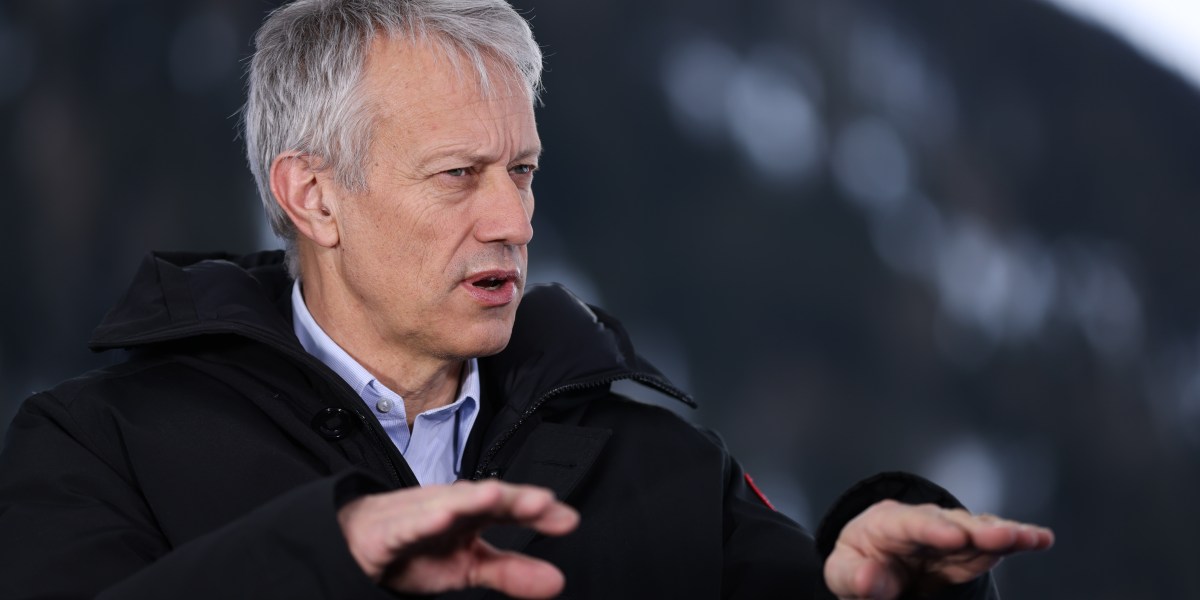
At Coca-Cola, James Quincey explicitly linked his decision to step down to the company’s “next wave of growth,” arguing that the company had made substantial progress under the old playbook but now faced a much larger AI-driven shift. The company’s own reorganization under incoming CEO Henrique Braun reinforces the point. Coca-Cola created a new chief digital officer role reporting directly to Braun and said the change was designed to bring the business closer to consumers and enable faster technology adoption across the enterprise. Braun, for his part, said the company was elevating digital leadership so it could move faster and work smarter across all markets.
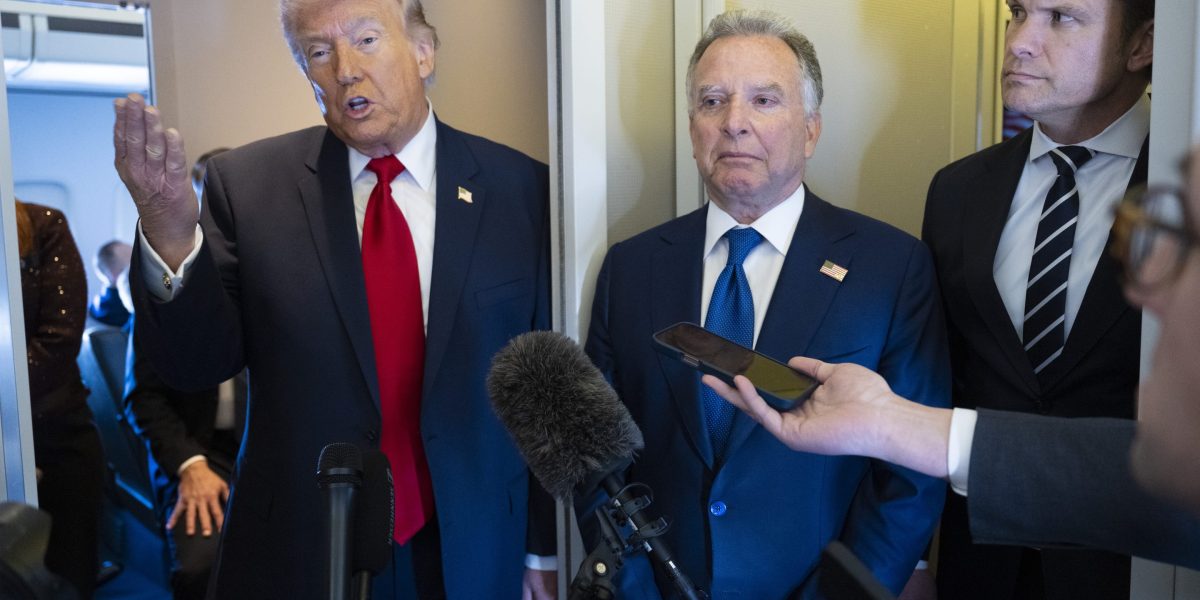
At Walmart, Doug McMillon offered a similarly revealing signal. In announcing John Furner as his successor, he described him as uniquely capable of leading Walmart through its next AI-driven transformation. Furner, a longtime operator who rose from hourly associate to lead Walmart U.S., takes over as the company pushes deeper into agentic commerce and AI-enabled retail operations. He also brings leadership experience at Sam’s Club and is closely associated with Walmart’s broader digital acceleration.
Adobe’s situation is somewhat different, but no less telling. Shantanu Narayen’s planned departure comes at a moment when investors are scrutinizing Adobe’s AI positioning and questioning how well its subscription model will hold up against faster-moving generative AI competitors. Adobe has not yet named a successor, and that search is unfolding under unusually intense pressure to prove the company can lead in an AI-defined era. In his message to employees, Narayen wrote that “the next era of creativity is being written right now — shaped by AI, by new workflows and by entirely new forms of expression.”
Taken together, these transitions point to a new leadership test. Boards are not just looking for CEOs who can talk about AI or add tools around the edges. They increasingly want leaders who can reorganize large companies around faster decision-making, AI-enabled workflows, and operating models built for an era of greater autonomy.
Ruth Umoh
[email protected]
Smarter in seconds
Downsizing doctrine. Mark Zuckerberg has cut 25,000 jobs at Meta since 2022. Here’s what that says about his leadership
Executive pressure. Gen X boss of $11 billion smart ring company Oura says being a CEO is ‘much harder’ than he thought: ‘It’s pressure, it’s stress, it’s responsibility’
Calendar control. Meetings are not work, says Southwest Airlines CEO—and he’s taking action by blocking his calendar every afternoon from Wednesday to Friday
Leadership lesson
CEO Brian Niccol on Starbucks losing sight of its customer service roots: “We got really focused on trying to be efficient and run it like a manufacturing facility, as opposed to recognizing, no, this is actually a customer service experience, where we do great craft and create great drinks for people on time.”
News to know
A lawsuit alleges that despite Meta’s privacy assurances, humans may be reviewing data captured by its AI smart glasses. Fortune
Disney’s new CEO faced first-week turmoil as a $1 billion AI deal collapsed, layoffs hit a key gaming partner, and scandal engulfed a flagship TV franchise. FT
Startups chasing top AI talent are relying more on big cash salaries, not just equity, to compete. WSJ
Nvidia CEO Jensen Huang says AGI has arrived, but the claim underscores how disputed and loosely defined the term still is. Fortune
TSA officers could start receiving paychecks as early as Monday, DHS says, after working for weeks without pay during the partial government shutdown. CNBC
Anthropic accidentally exposed sensitive internal information, including details on unreleased models and a private CEO retreat, through an unsecured content management system. Fortune
Kraft Heinz CEO Steve Cahillane, known for breaking up companies, is making the case that this one is stronger staying together. WSJ